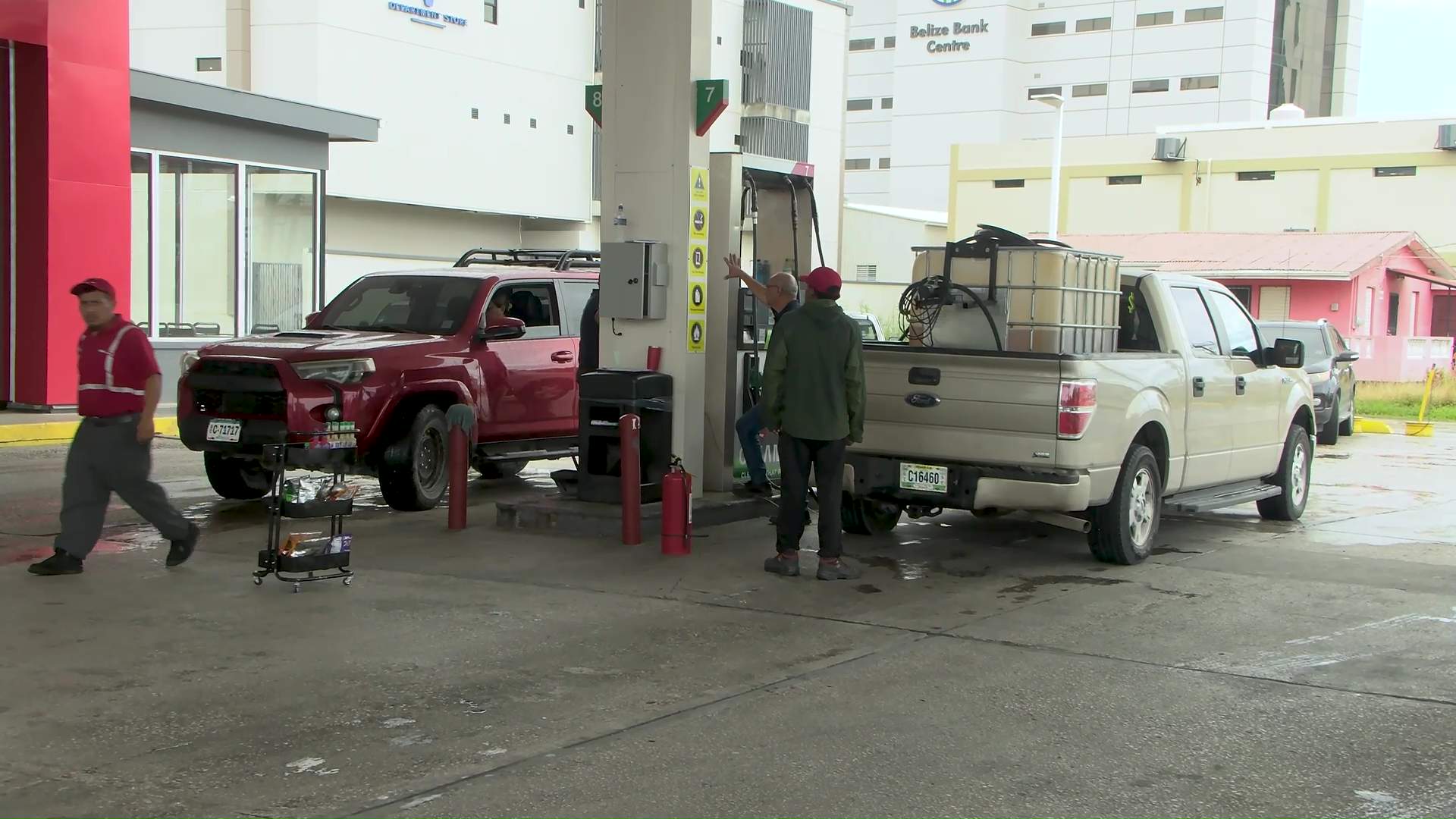
A dramatic overnight spike in diesel prices exceeding two dollars has triggered economic concerns across Belize, prompting scrutiny of government fuel taxation policies. As consumers rushed to fuel stations anticipating the increase, industry analysts warn the impact will extend far beyond the pump, affecting agricultural operations, transportation logistics, and construction costs that ultimately influence grocery prices and household repair expenses.
Prime Minister John Briceño’s administration faces mounting pressure to implement fuel tax reductions amid the price surge. The government maintains it has already sacrificed significant revenue through existing tax concessions, having reduced fuel taxes by $1.25 per gallon to moderate consumer prices. The central controversy revolves around the ad valorem tax system where government revenue increases proportionally as fuel prices rise, creating a windfall effect during price spikes.
Briceño defended the government’s position, explaining: “The tax percentage remains constant regardless of price fluctuations. We’ve implemented substantial tax reductions to cushion the impact on consumers. However, as a small nation purchasing fuel in millions rather than billions of dollars, we lack the bargaining power of larger nations to dictate pricing structures.”
Statistical data from the first two months of 2026 reveals a complex economic picture. The Statistical Institute of Belize reported modest 0.4% inflation during this period, primarily contained by declining transportation costs resulting from previously lower fuel prices. This temporary relief offset significant increases in essential categories including food and non-alcoholic beverages (up 1.2%), housing utilities (up 0.9%), and restaurant services.
Statistician Jaime Crespo detailed the contrasting trends: “While meat, cereal products, sugar, electricity, and LPG costs showed concerning increases, transportation category decreases of 3.6% helped balance the overall inflation rate. Between January and February 2026, regular fuel prices dropped 8% per gallon, premium fuel 7.2%, and diesel 2.9% compared to the same period last year.”
Economists now question whether the government’s $1.25 tax reduction will sufficiently mitigate the current diesel price surge, or if rising pump prices will generate increased government revenue while driving higher consumer costs across the economy.