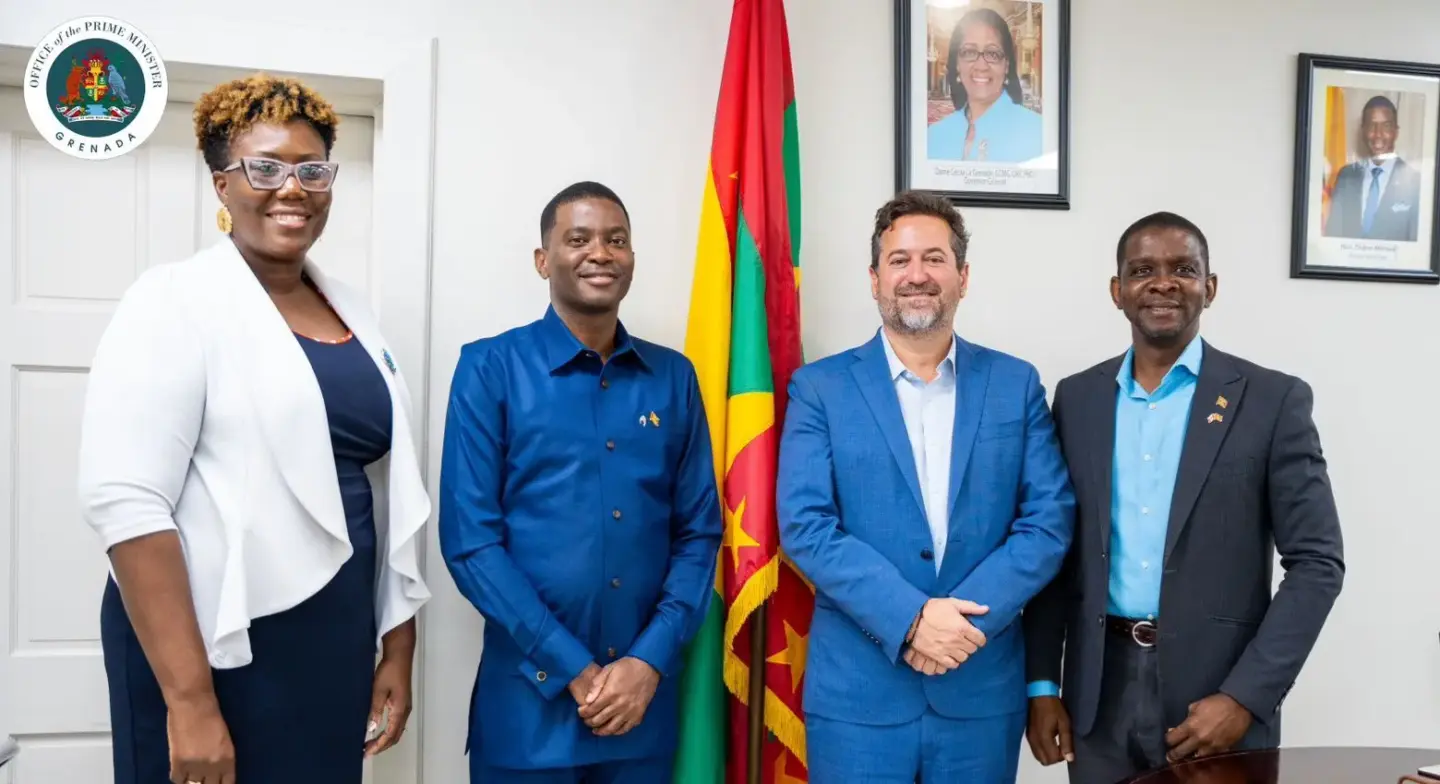
Grenada’s Ministry of Education has initiated a comprehensive national program to address critical literacy gaps among young learners, following concerning data revealing that over one-third of students perform below required standards in Minimum Competency Tests. Education Minister David Andrew announced the initiative during a Post-Cabinet Briefing, emphasizing its far-reaching implications for educational attainment, employment prospects, and overall quality of life.
The program, developed in partnership with SUMMA (the Education Research and Innovation Laboratory for Latin America and the Caribbean), targets foundational learning at the primary level, specifically focusing on students from kindergarten through Grade 4. Minister Andrew stressed that strengthening early literacy is essential to prevent long-term academic challenges, noting that proficiency in reading and writing at the primary level reduces the need for remedial interventions later in students’ educational journeys.
This initiative builds upon the Antigua Commitment to Literacy, a regional framework established by education ministers from 11 Latin American and Caribbean countries in collaboration with SUMMA and the Organisation of Eastern Caribbean States (OECS). Preliminary groundwork has already commenced, with technical teams conducting visits to schools across Grenada to engage stakeholders and prepare for implementation.
Central to the program’s strategy are comprehensive teacher training and curriculum redesign tailored to regional needs, incorporating modern methodologies to enhance how foundational skills are taught and acquired. The collaboration is projected to span three to six years, with a planned rollout beginning in September 2026.
Significant financial backing has been secured through a partnership with the Global Partnership for Education, which will match local fundraising efforts dollar-for-dollar. Grenada has already obtained nearly US$500,000 in private sector commitments, reaching halfway toward its initial US$1 million target and potentially accessing up to US$2 million in matched funding.
Minister Andrew expressed strong encouragement regarding private sector support, highlighting that Grenada’s approach has attracted international attention as a potential model for similar small states. Additional fundraising continues as the Ministry of Education prepares for the program’s official launch in the coming months, with ongoing stakeholder engagement and resource mobilization efforts.