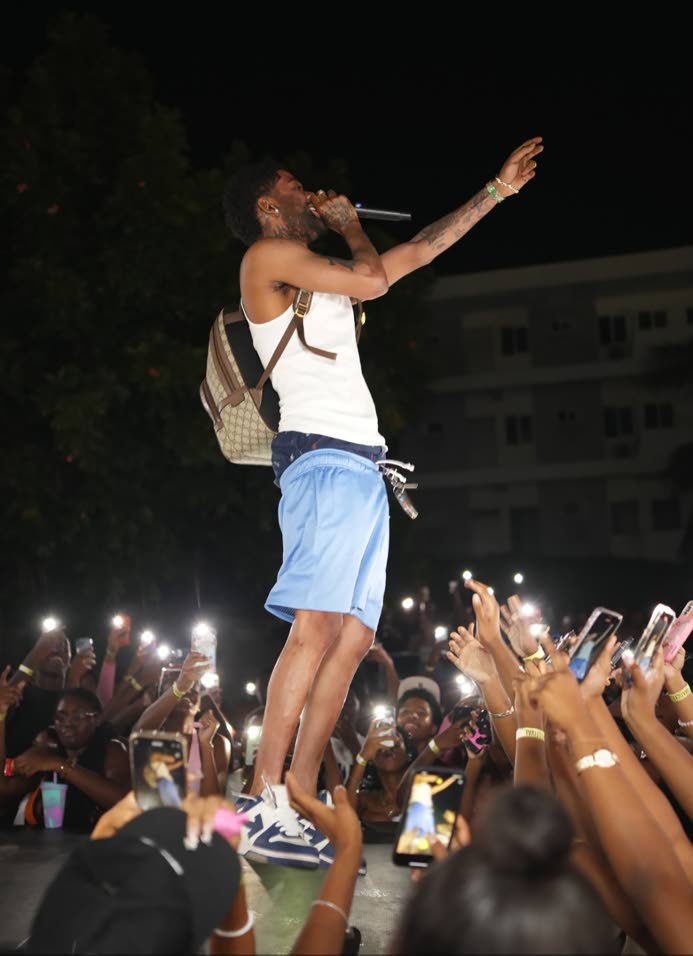
A significant generational debate is currently unfolding within Jamaica’s vibrant dancehall community, sparked by controversial remarks from veteran music executive Josef Bogdanovich regarding the readiness of emerging artists to headline premier festivals like Reggae Sumfest.
Bogdanovich, CEO of Downsound Entertainment which organizes the internationally acclaimed festival, recently addressed the evolving dynamics within dancehall music and the qualifications necessary for artists to achieve top billing at major events. While acknowledging the undeniable popularity and viral success of newcomers like Skippa, Bogdanovich emphasized that consistent professional conduct and proven longevity remain essential criteria for headlining status.
“Artists must earn their way to the top through proper behavior, consideration for others, punctuality, and sustained excellence,” Bogdanovich stated. “The enduring careers of legends like Bounty Killer and Beenie Man demonstrate how superior artistry and environmental awareness create lasting global appeal.”
Skippa responded directly to these comments, expressing frustration that young artists consistently face credibility challenges despite their achievements. “When we perform well, critics find ways to discredit our success,” he countered. “No artist instantly headlines major stages—it’s a gradual process. We’re working tirelessly to earn our place.”
The debate has drawn perspectives from across the music industry. DJ Escobar, a prominent selector, acknowledged that viral popularity should factor into festival programming decisions: “Skippa’s social media dominance and overseas attention make him an asset to any show.” However, he noted Reggae Sumfest’s legendary status requires headliners with established prestige: “This monster show needs legendary acts to match its atmosphere.”
Isaiah Laing, promoter of rival festival Sting, offered a different perspective, suggesting Skippa represents dancehall’s future stars. “He may not headline immediately but deserves placement among main acts,” Laing asserted. “Strategic marketing and platform opportunities transform talented artists into headline material. Sumfest traditionally doesn’t develop young acts—that’s Sting’s specialty where we intentionally showcase emerging talent.”
This controversy highlights a fundamental industry crossroads: whether traditional benchmarks should continue determining Jamaica’s premier festival lineups or if digital-era metrics of popularity and engagement warrant greater consideration. As Reggae Sumfest approaches, this tension between honoring dancehall’s legacy and embracing its evolving future remains unresolved, reflecting broader questions about artistic validation in the streaming era.