Barbados’ Ministry of Health and Wellness has escalated its epidemiological monitoring protocols following confirmation of a significant Chikungunya virus (ChikV) outbreak in neighboring Suriname. According to Pan American Health Organization reports, Suriname has documented over 1,100 infections with one fatality as of late February 2026.
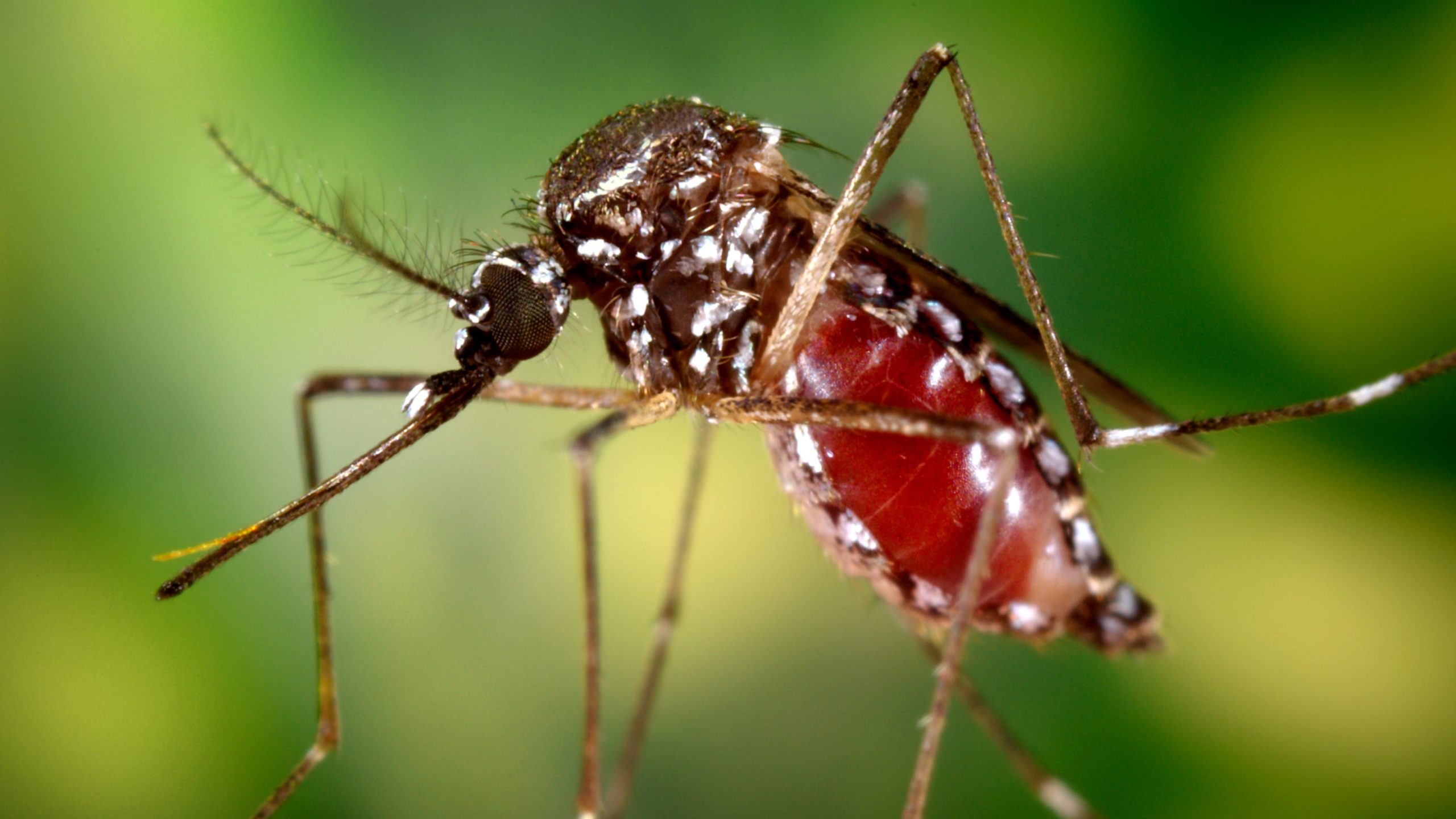
While Barbados maintains zero confirmed cases for 2026 as of March 17th, health authorities revealed the island recorded twelve laboratory-confirmed infections throughout 2025. The viral disease shares transmission vectors with Dengue Fever and Zika through bites from infected Aedes Aegypti mosquitoes, which remain endemic across the island nation.
Clinical manifestations typically emerge three to seven days post-exposure, though many infections present asymptomatically. Symptomatic cases demonstrate febrile conditions accompanied by headache, musculoskeletal pain, fatigue, and cutaneous rash. Distinguished from similar arboviruses, ChikV infection frequently causes severe polyarthralgia that may persist for months or years in chronic cases.
Treatment protocols remain supportive rather than curative, focusing on hydration, rest, and symptomatic relief through analgesics and anti-inflammatory medications. No targeted antiviral therapeutics currently exist for Chikungunya management.
Diagnostic challenges arise from symptom overlap with dengue and influenza. Physicians must obtain venous blood samples within eight days of symptom onset for PCR viral detection, with mandatory inclusion of symptom commencement dates on laboratory requisitions.
Public health recommendations emphasize:
– Utilizing protective clothing and insect repellents
– Installing window screens and mosquito nets
– Implementing environmental temperature controls to reduce vector activity
– Conducting property inspections to eliminate breeding sites
Noting that infected mosquitoes remain contagious throughout their two-to-four-week lifespan, health protocols require insecticide treatment around premises where cases are suspected. Medical practitioners must document patient addresses for environmental investigations to accompany laboratory submissions.