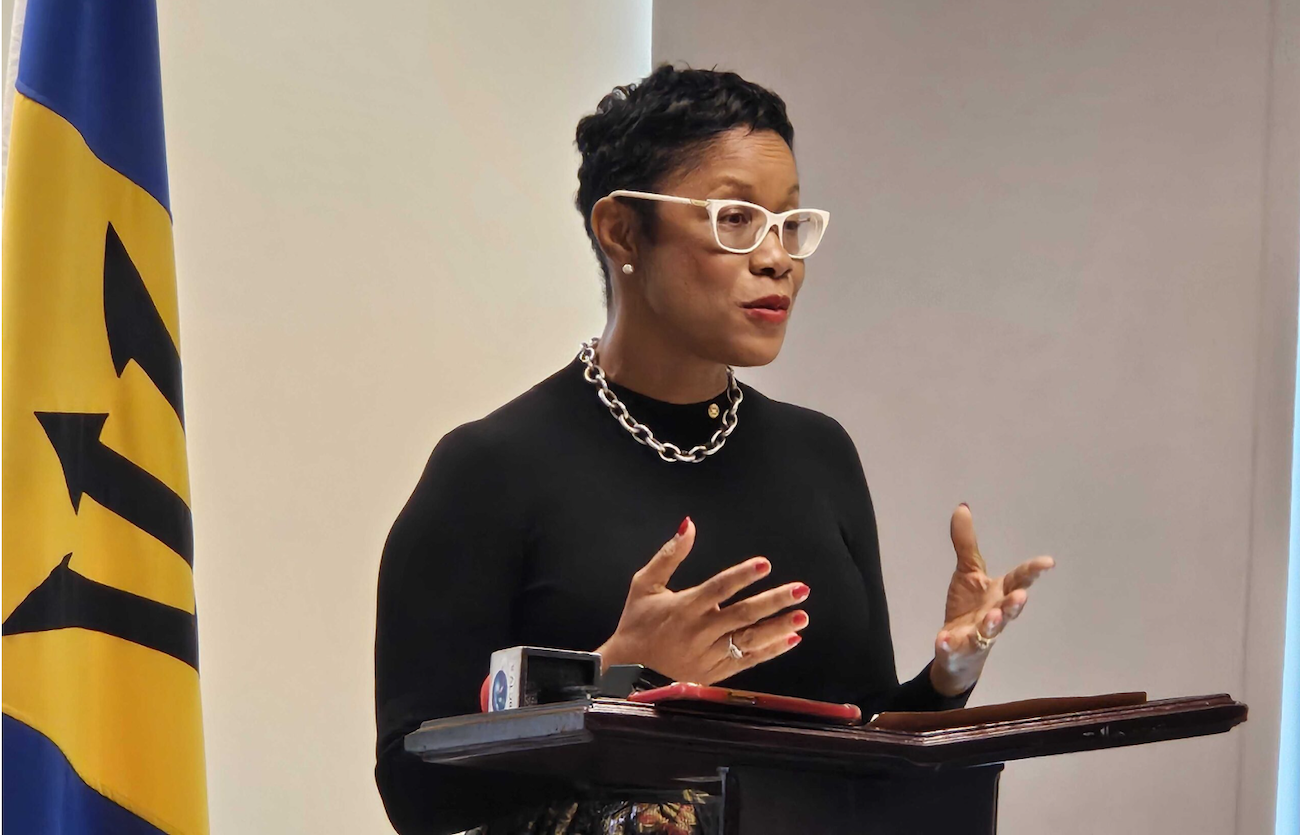
Barbados is confronting a severe healthcare challenge as approximately 40 elderly patients continue occupying hospital beds at Queen Elizabeth Hospital long after completing medical treatment, according to Health Minister Senator Lisa Cummins. The minister revealed this troubling situation during a Senate address on Monday, emphasizing the critical shortage of step-down care facilities and support systems for the aging population.
Step-down care, which provides transitional support between hospital treatment and independent living, has become urgently needed as Barbados experiences demographic shifts toward an older population. Minister Cummins described the distressing reality of families failing to collect relatives who have been medically cleared for discharge, noting that some elderly patients are effectively abandoned due to being perceived as burdens or because relatives lack proper care capabilities.
While acknowledging that some families deliberately neglect their responsibilities—particularly those who continue collecting pension benefits on behalf of hospitalized relatives—the minister clarified that many cases stem from genuine incapacity rather than abandonment. Numerous families lack access to hospice care, rehabilitative services, or post-acute support, leaving hospital care as the only viable option for their elderly relatives’ wellbeing.
This crisis has prompted government action on multiple fronts. Minister Cummins announced comprehensive plans to establish enhanced healthcare training through the proposed University College of Barbados, including a dedicated School of Nursing to address critical staffing shortages. The initiative will expand educational programs in nursing, pharmacy, and specialized healthcare disciplines to build workforce capacity over the coming years.
Additionally, the government is allocating significant resources to strengthen diagnostic capabilities and develop new care specializations. These efforts represent a strategic push to modernize Barbados’ healthcare infrastructure and create sustainable solutions for elderly care that balance institutional support with family accountability.