A groundbreaking agricultural training program is taking root in Grenada as local charity Reach Within launches an innovative hydroponic farming initiative for at-risk youth. The project, funded through Irish Aid’s In-Country Micro Projects Scheme, represents a significant step toward addressing both youth development and food security challenges in the Caribbean nation.
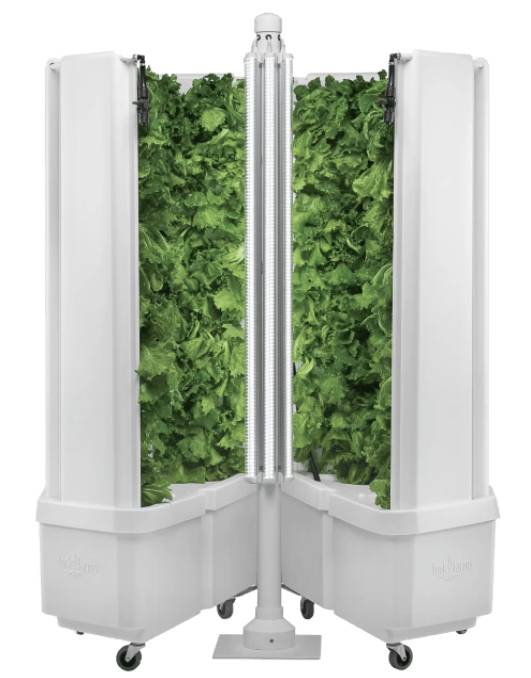
The program centers around a state-of-the-art hydroponic technology system provided by Fork Farms, a company with established climate-smart education initiatives throughout the Caribbean region. This equipment enables thirty young participants to engage in a comprehensive pilot program that combines job readiness training with practical agricultural skills development.
Hydroponics, the science of soil-less plant cultivation using nutrient-rich water solutions, offers a modern approach to farming that emphasizes efficiency and environmental sustainability. This method provides precise control over growing conditions and can be implemented in various environments, making it particularly suitable for Grenada’s context.
Established in 2003, Reach Within operates under the Caribbean Centre for Health Equity at the Windward Islands Research & Education Foundation (WINDREF). The organization specializes in supporting vulnerable youth through evidence-based practices that foster resilience following trauma or neglect. Their services extend to children in protective care and at-risk youth throughout Grenada and its sister islands.
Program Officer Melvaughn Coutain expressed enthusiasm about the initiative’s multifaceted benefits. ‘This program represents an exciting convergence of science education, food security awareness, and climate resilience building,’ Coutain noted. ‘We’re particularly encouraged by how this innovative farming method captivates young people’s interest while addressing critical community needs.’
The pilot program serves as the foundation for a broader agricultural youth training initiative that plans to incorporate additional community partnerships. A central component involves developing youth leadership capabilities, with participants eventually guiding educational visits to the hydroponic installation at Reach Within’s St. George’s drop-in center.
Looking ahead, the organization envisions expanding into aquaponics—integrating fish farming with vegetable production in a self-contained ecosystem. This initial hydroponic project marks the beginning of what Reach Within hopes will become a nationwide approach to youth development through agricultural innovation.