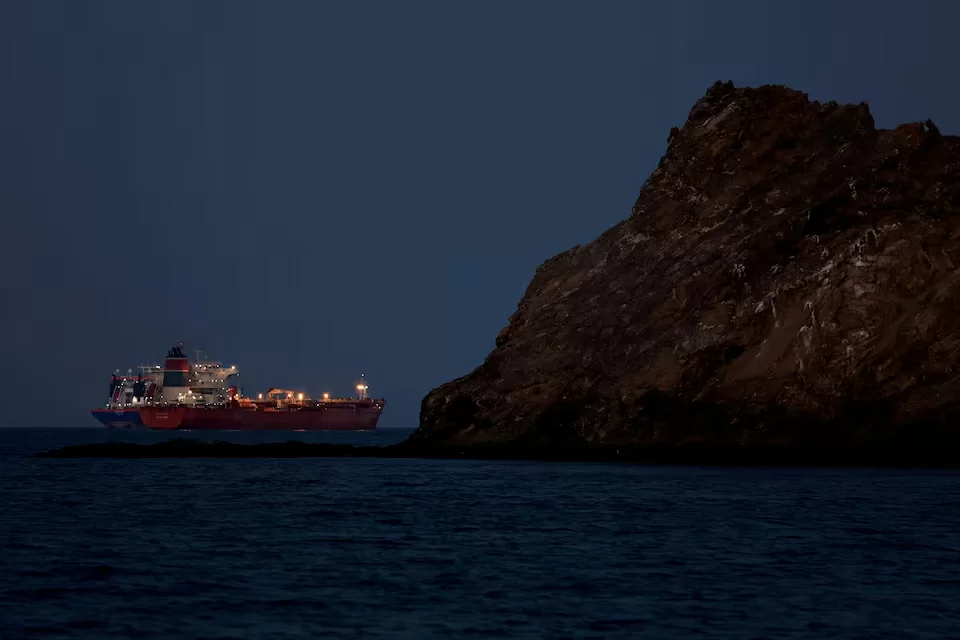
The strategic Strait of Hormuz has become the epicenter of a rapidly escalating military confrontation between the United States and Iran, triggering global economic concerns and fears of regional warfare. President Donald Trump issued a stark 48-hour ultimatum via social media, threatening to “obliterate” Iranian power plants if Tehran fails to fully reopen the critical waterway without conditions.
The crisis intensified as Iran launched ballistic missiles with unprecedented 4,000-kilometer range capabilities, targeting the Diego Garcia military base in the Indian Ocean and Israeli cities Dimona and Arad. Israeli military authorities confirmed these represent Iran’s first long-range missile deployments since hostilities began in late February, noting their potential reach extends to European capitals including Berlin, Paris, and Rome.
Iran’s Revolutionary Guard Corps claimed targeting military installations and security centers, while Prime Minister Benjamin Netanyahu characterized the assault as “extremely difficult” while reaffirming Israel’s determination to counter threats on all fronts.
The economic ramifications are already materializing globally, with European gas prices surging 35% due to disrupted oil and gas shipments through the Strait, which facilitates approximately one-fifth of global energy exports. The conflict has claimed over 2,000 lives since its inception, creating mounting political pressure on the Trump administration ahead of midterm elections.
Iran issued counter-threats through spokesman Ebrahim Zolfaghari, warning that any attacks on Iranian energy infrastructure would trigger retaliatory strikes against US and Israeli-linked facilities across the Middle East, including desalination plants and information technology infrastructure. Former Iranian National Security Council head Ali Larijani amplified these warnings, suggesting the entire region could experience power outages within thirty minutes if Iran’s electrical grid is compromised.
G7 nations issued a joint statement condemning Iran’s “reckless attacks and proxy operations” while expressing support for regional partners and emphasizing the need to protect global energy supplies and secure maritime routes. Meanwhile, analysts observe Trump appears to be losing control of the conflict dynamics, facing criticism for inconsistent messaging after recently discussing winding down military operations before issuing the current ultimatum.
The violence has expanded to neighboring countries, with Iran’s Natanz nuclear facility suffering attacks (though without radioactive leakage) and other strategic targets being struck across the region, increasing risks of broader regional warfare.