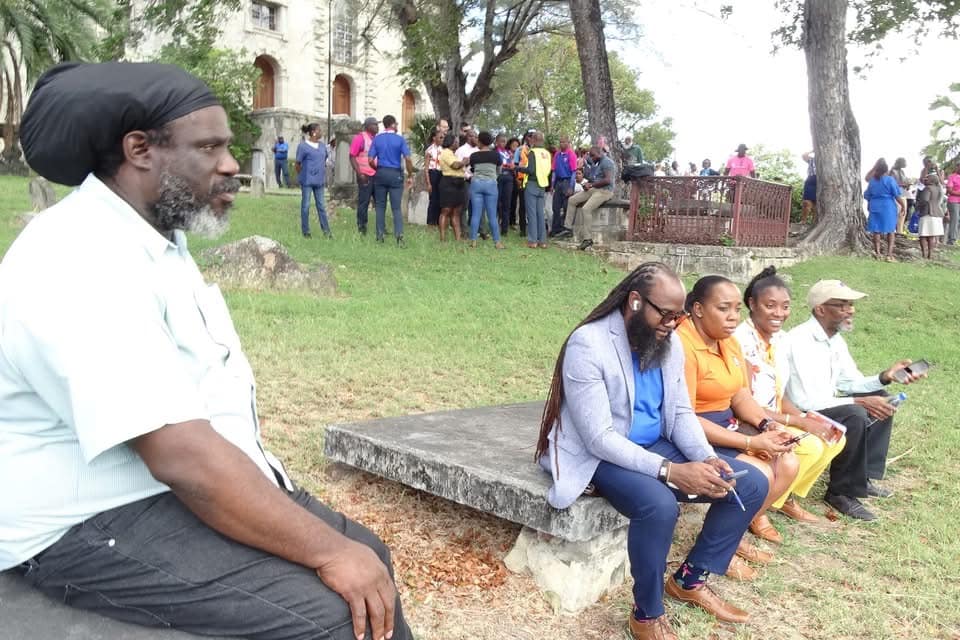
A comprehensive tsunami preparedness exercise conducted across Antigua and Barbuda has exposed significant gaps in emergency response capabilities while demonstrating substantial public engagement. The Caribe Wave 2024 simulation, which involved approximately 5,000 participants, tested national readiness against a hypothetical magnitude 7.6 earthquake scenario originating near the Cayman Islands.
Emergency authorities from the National Office of Disaster Services (NODS) coordinated the large-scale drill that evaluated multiple aspects of disaster response, including evacuation procedures to designated safe zones and the effectiveness of integrated alert systems. The exercise incorporated the Common Alerting Protocol, delivering warnings through multiple channels including mobile applications, radio broadcasts, and emergency sirens.
Mitzi Francis, Public Relations Officer for NODS, reported generally encouraging participation levels that indicate growing public awareness of regional disaster risks. However, officials acknowledged inconsistent seriousness among participants and identified technical shortcomings, particularly regarding siren activation timing discrepancies that suggested potential communication failures.
Despite these challenges, emergency coordination between response teams, government agencies, and media outlets functioned effectively, establishing a operational foundation for future enhancements. The annual drill, part of broader Caribbean preparedness initiatives, highlighted the necessity of continuous public education and regular training exercises in a region with documented historical tsunami events, albeit infrequent.
Authorities emphasized that sustained community involvement remains crucial for developing robust national readiness, particularly given the persistent threat of seismic events in the Caribbean basin that could trigger destructive tsunami waves affecting coastal communities.