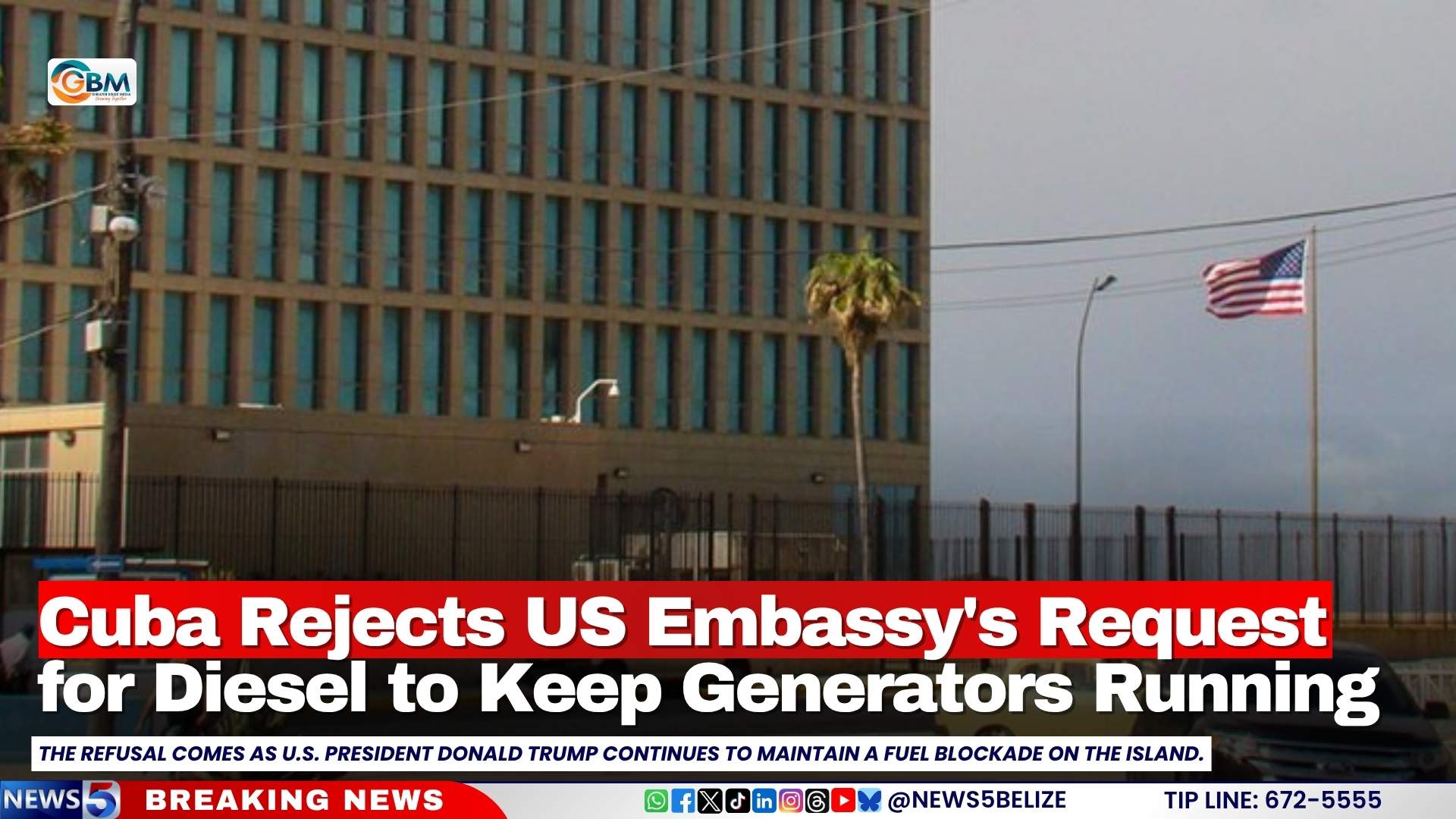
In a significant diplomatic development, Cuba has formally declined a request from the United States Embassy in Havana for diesel fuel to maintain its generator operations. This decision, first reported by The Washington Post, unfolds against the backdrop of sustained U.S. fuel sanctions imposed on the Caribbean nation.
The refusal arrives as the Trump administration maintains its stringent energy blockade against Cuba, creating a paradoxical situation where American diplomatic operations face potential disruption. U.S. officials have indicated that without adequate fuel reserves, the embassy might be compelled to reduce its staffing levels substantially.
Cuba’s current energy landscape reveals a nation grappling with severe shortages. The island has been implementing an emergency power strategy utilizing natural gas, solar energy, and limited domestic oil production, though these measures remain insufficient to meet national demand. The energy deficit has prompted Cuba to seek alternative international partnerships, with ABC News reporting an anticipated Russian oil shipment later this month—the first such delivery in three months.
Concurrently, humanitarian organizations from Mexico and other nations are coordinating emergency aid flights containing essential supplies including food, medicine, and additional solar infrastructure to alleviate the crisis.
The U.S. Embassy’s current diesel reserves are projected to sustain operations for approximately thirty days. This bilateral energy dispute occurs within the broader context of global fuel market turbulence following recent military actions against Iran by the U.S. and Israel. In retaliation, Iran has implemented substantial restrictions on the Strait of Hormuz—a critical maritime corridor for Middle Eastern oil transportation—propelling global oil prices above $100 per barrel after previously trading below this threshold.