A contentious debate on gender identity has erupted in Jamaica following Prime Minister Andrew Holness’s declaration that gender is strictly binary—limited to male and female. This assertion, made during his 2026/2027 Budget Debate address in the House of Representatives, has ignited widespread criticism and drawn attention to what many perceive as a deteriorating global environment for LGBTQIA+ and gender non-conforming individuals.
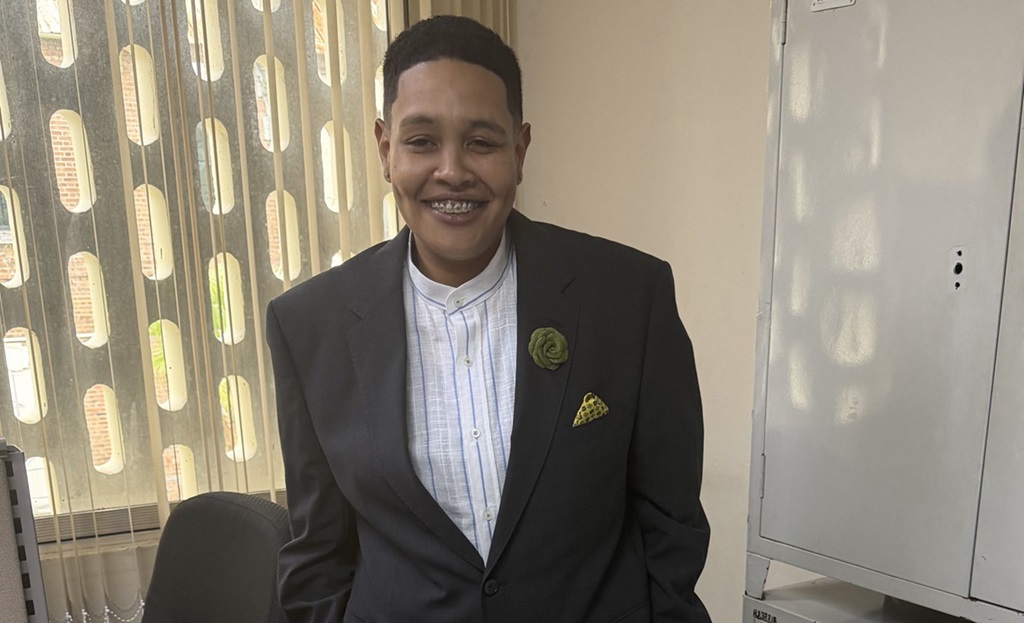
Amid the ensuing controversy, Antoinette Aiken, a renowned Jamaican Sign Language (JSL) interpreter and prominent advocate for the deaf community, found herself at the center of a social media firestorm. Aiken appeared to align herself with the Prime Minister’s viewpoint in a post on the platform X (formerly Twitter), writing: “Prime Minister say ‘Man a Man and Woman a woman’ it’s not a LIE! Birth determines your sex (biologically), not how you feel when you wake up.”
Her comments triggered an immediate and intense backlash. Critics accused her of transphobia and a lack of empathy, with one user labeling her a “transphobic masculine presenting (seemingly) cis-woman.” The criticism appeared to surprise Aiken, who is celebrated for her work as a primary interpreter for the Jamaican Parliament and national press briefings.
In a series of impassioned follow-up tweets, Aiken defended her right to free speech and framed her perspective through her lifelong advocacy for the deaf community. She recounted growing up in an era where deafness was wrongly equated with intellectual disability, stating, “I grew up in a time where Deafness was considered as retarded and mi did hafi stand up for my community, SO WHEN I SPEAK IM NOT AFRAID.” She further argued that her advocacy focuses on the fundamental need for access and accommodation, which she implied takes precedence over other identity discussions.
The online exchange grew increasingly heated, with some users criticizing her for reducing queer identity to matters of sex and relationships, while others jeered her, suggesting her views stemmed from personal bitterness. Human rights groups have since entered the fray, condemning the Prime Minister’s remarks for disregarding the lived experiences of many Jamaicans and exacerbating the marginalization of communities already facing significant discrimination and barriers to acceptance.