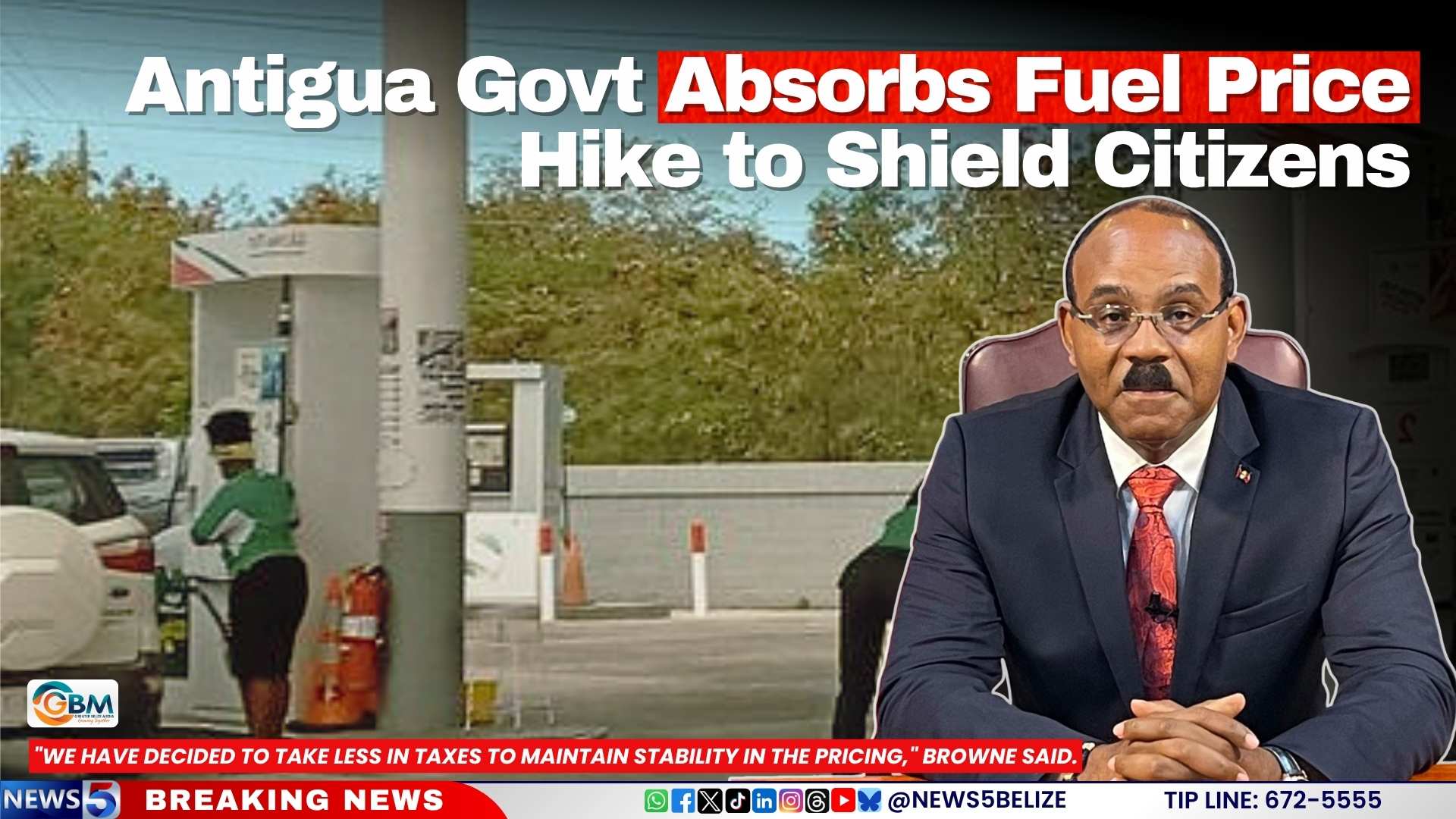
In a decisive move to protect its populace from escalating global energy costs, the government of Antigua and Barbuda has implemented strategic fiscal measures to maintain stable domestic fuel prices. Prime Minister Gaston Browne announced during his weekly radio address that his administration has been actively absorbing the financial impact of rising international fuel markets to prevent inflationary pressures on essential goods and services.
The policy response comes following confirmation from the West Indies Oil Company regarding a recent shipment of fuel procured at substantially elevated prices, with diesel and jet fuel experiencing the most pronounced cost increases. Without government intervention, these market fluctuations would typically translate to higher transportation expenses, increased grocery bills, and elevated prices across imported commodities.
Despite these external pressures, retail gasoline prices in the twin-island nation have remained steadfast at EC$14.25 per imperial gallon (approximately $10.60 Belize dollars). This price stability has been achieved through a deliberate reduction of government consumption taxes on fuel products. “We have made a conscious decision to accept reduced tax revenues to ensure pricing consistency for our citizens,” Prime Minister Browne stated.
The situation contrasts with neighboring Belize, where Prime Minister John Briceño acknowledged the unavoidable impact of global market forces, particularly citing geopolitical tensions involving Iran as a significant driver of current price surges. Briceño emphasized the challenges faced by smaller nations in mitigating international market dynamics, noting that Belize must navigate supporting both agricultural producers and general citizens amid circumstances beyond national control.