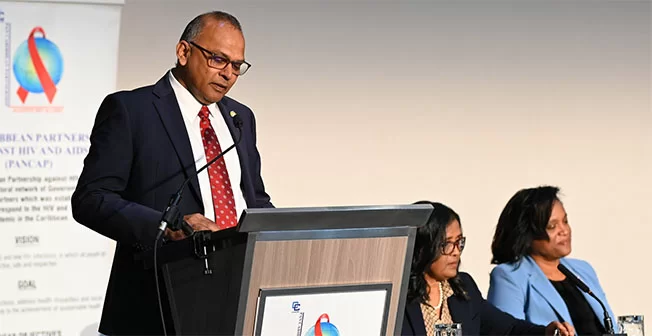
The Caribbean region continues to face alarming HIV infection rates with approximately 15,000 new cases emerging annually, one-quarter affecting youth aged 15-24, according to Guyana’s Health Minister Dr. Frank Anthony. The warning came during Thursday’s opening of the tenth regional meeting of HIV program managers and partners in Trinidad and Tobago, where stakeholders convened to evaluate progress and develop new strategies.
Minister Anthony emphasized the urgent need to accelerate HIV prevention initiatives and expand access to innovative treatments, particularly highlighting long-acting injectable medications like lenacapavir that may provide protection with just two annual administrations. He stressed that affordable and equitable access to such medical innovations remains essential for epidemic control.
The health official simultaneously cautioned against diminishing international funding, which directly threatens prevention programs across the region. Anthony advocated for strengthened regional collaboration to negotiate better medication access and secure sustainable financing.
Citing UNAIDS data, Anthony warned that significant reductions in prevention services could trigger nearly four million additional HIV infections globally within the next five years.
Despite these challenges, the minister highlighted substantial progress: AIDS-related mortality in the Caribbean has plummeted by over 60% since 2010—the most dramatic decline recorded worldwide. This achievement stems from targeted treatment investments and collaborative efforts between governments and healthcare professionals.
Anthony expressed profound appreciation for physicians, nurses, and health workers who have dedicated decades to combating HIV/AIDS, noting their contributions have not only saved lives but also established stronger healthcare systems throughout the region.
The minister concluded by urging embrace of innovation, enhanced prevention measures, and centered focus on vulnerable populations. While acknowledging the Caribbean now possesses the knowledge and resources to end AIDS, he emphasized that political will and sustained commitment remain critical components for ultimate success.