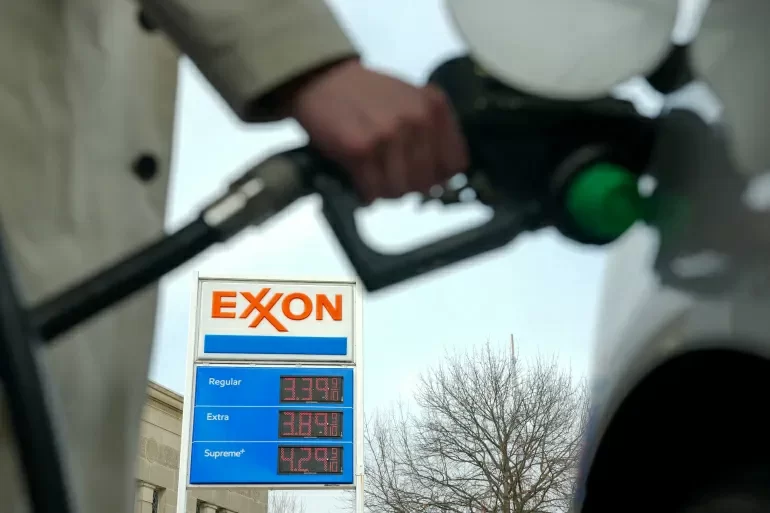
The global energy market faces unprecedented turmoil as geopolitical tensions in the Middle East threaten to push crude oil prices toward historic highs. What analysts once considered remote scenarios now appear increasingly plausible, with projections indicating potential spikes to $150-$200 per barrel.
The core catalyst remains the effective closure of the Strait of Hormuz—a critical maritime passage handling approximately 20% of global oil exports. Since early March, Iran’s blockade has severely constrained shipments, permitting only vessels from select nations including India, China, Turkey, and Pakistan to transit. This strategic chokepoint’s disruption has created a supply deficit estimated at 10 million barrels daily.
Brent crude, the international benchmark, breached $120 per barrel in early March and has sustained levels above $100. Recent escalations—including attacks on Iran’s South Pars gas field and retaliatory strikes on Qatari, Saudi, and Emirati energy infrastructure—have compounded market pressures.
Despite coordinated releases of 400 million barrels from strategic reserves by consuming nations, the measures fall short of addressing the structural supply gap. Analytical firms including Wood Mackenzie and Vanda Insights now acknowledge $150 oil as a near-term possibility, with $200 scenarios no longer deemed unrealistic. Adjusted for inflation, the 2008 record of $147.50 equates to approximately $224 today, making a $200 benchmark effectively a historic peak.
Such price levels would inflict severe economic damage globally. The International Monetary Fund estimates that a sustained 10% oil price increase elevates global inflation by 0.4% and reduces economic growth by 0.15%. Higher fuel costs would trigger broader inflationary pressures, suppress consumer spending, and potentially cause shortages in fertilizer and plastics.
Countervailing forces may partially mitigate the crisis. Increased production from the United States, Canada, Brazil, and Argentina, alongside alternative routes like Saudi Arabia’s East-West pipeline, offers some relief. Additionally, demand destruction—where consumers and industries reduce consumption as prices become prohibitive—could eventually temper market exuberance.
The ultimate price trajectory hinges on a delicate balance between buyers willing to pay premium prices and those exiting the market. With volatility expected to persist, the global economy braces for potentially transformative energy-driven economic shifts.