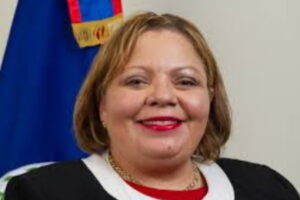
BELMOPAN, Belize — Opposition Leader Tracy Panton has issued a forceful appeal to the Belizean government to assert national sovereignty by maintaining its support for the Cuban Medical Brigade program, despite mounting criticism and pressure from the United States. Panton emphasized that yielding to US demands would compromise Belize’s independent foreign policy and disregard decades of crucial medical assistance from Cuba.
Panton invoked historical solidarity, noting that Cuba was among the first nations to recognize Belize’s independence and has consistently provided vital support during times of crisis. ‘I cannot comprehend Belize failing to take a principled stand to defend our sovereignty, which is threatened by US policy directives, and to support a nation that has steadfastly stood by us,’ she stated.
The Cuban Medical Brigade project, which has operated for decades across multiple Caribbean nations, has recently come under intensified US scrutiny. Washington alleges that the program exploits Cuban healthcare workers through coercive practices, including withheld wages, passport confiscation, forced family separation, and excessive working hours. The US State Department has characterized the initiative as reliant on ‘coercion and abuse.’
In response to these allegations, Prime Minister John Briceño’s administration has acknowledged engaging in ‘delicate negotiations’ with Cuban officials but has not disclosed specific details. Panton criticized this cautious approach, arguing that Belize must not capitulate to external pressure from what she termed a ‘bully.’
Highlighting the program’s practical significance, Panton noted that numerous rural health clinics in Belize are primarily staffed by Cuban medical personnel. She warned that terminating this collaboration would severely strain the country’s healthcare system, which faces a chronic shortage of trained doctors and nurses. ‘If we abandon this support, what alternative solutions will be implemented to guarantee our population’s access to quality healthcare?’ she questioned.
The ongoing dispute reflects broader geopolitical tensions in the region, where several Caribbean governments are reassessing their participation in Cuban medical initiatives amid US diplomatic efforts to dismantle the program.