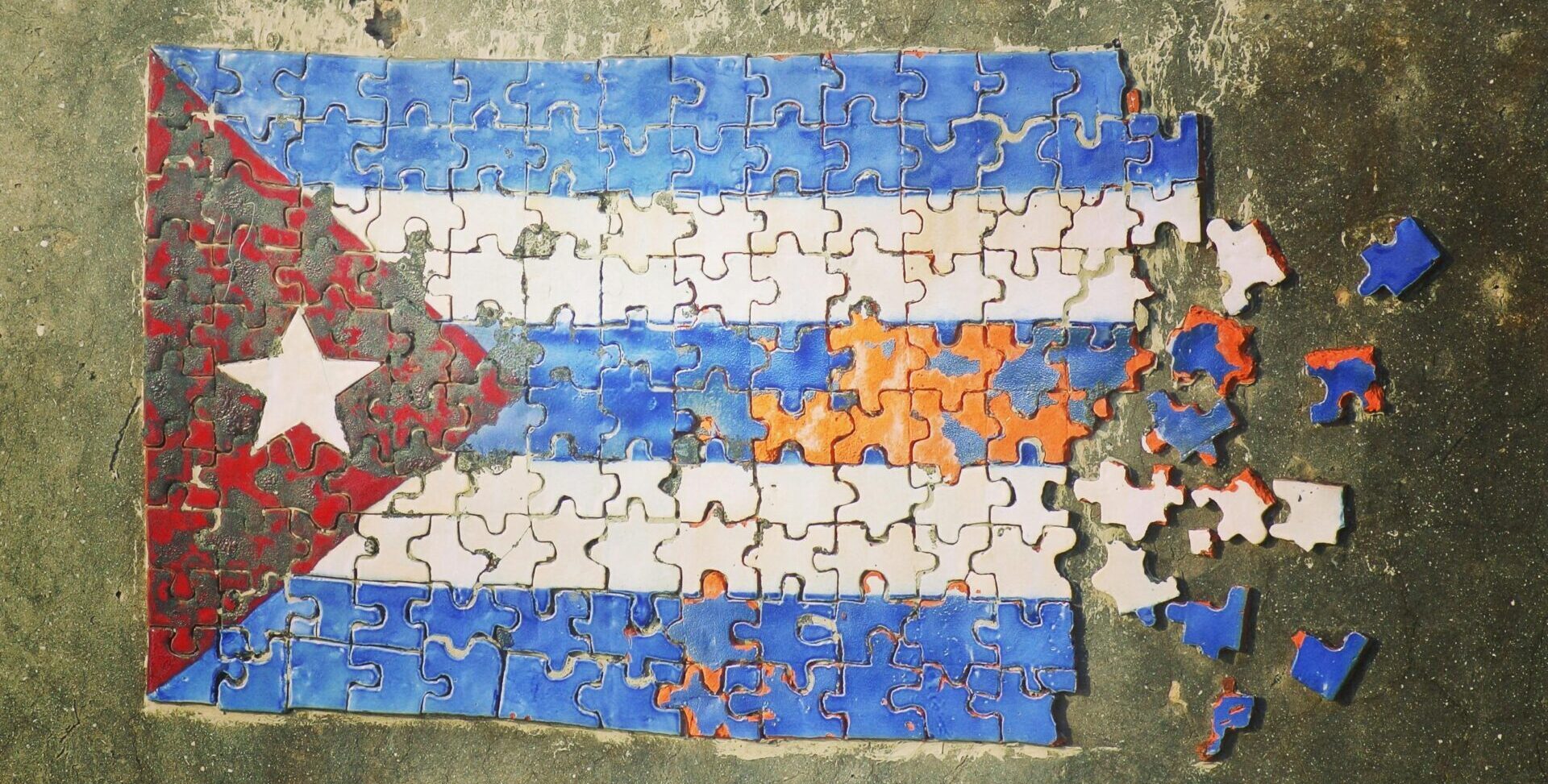
Cuba faces an unprecedented humanitarian crisis as a comprehensive fuel blockade imposed by the United States triggers the near-total collapse of essential services across the island nation. Since January 2026, Washington has effectively isolated Cuba’s energy supply through executive orders prohibiting any nation from selling oil to Havana, creating conditions that experts describe as a modern-day siege operation.
The immediate consequences have been catastrophic: March 16 witnessed the complete failure of Cuba’s national electrical grid, marking the third island-wide blackout within four months. This power collapse has paralyzed water pumping systems serving over 80% of the population, compromised intensive medical care, and spoiled vital vaccines and blood products. Agricultural production has stalled without fuel for machinery, while urban centers face mounting sanitation crises as garbage collection vehicles sit immobilized.
What distinguishes this crisis from previous tensions is the explicit language employed by U.S. officials. President Trump has openly discussed having the ‘honor of taking Cuba,’ while administration figures have framed the blockade as leverage for regime change. This rhetoric echoes historical patterns of imperial domination that Caribbean nations know intimately from their colonial experiences.
The international community has repeatedly condemned these measures through overwhelming UN General Assembly votes, with UN human rights experts characterizing the blockade as ‘a serious violation of international law.’ Cuba’s significance within the Caribbean community extends beyond symbolism—for decades, the nation has provided medical personnel, educational opportunities, and diplomatic partnership without interference in neighboring states’ sovereignty.
Regional analysts now warn that Cuba’s predicament establishes a dangerous precedent for hemispheric relations. The demonstration that economic power can be weaponized to force political change threatens all smaller nations dependent on imported energy and food. This crisis ultimately tests whether international law retains meaning when confronted with unilateral power, posing fundamental questions about sovereignty, collective security, and the very architecture of twenty-first-century coercion.