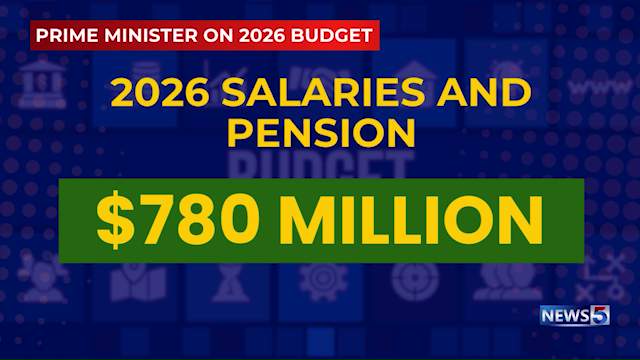
A pressing fiscal crisis is emerging in Belize as the nation’s budget faces severe structural imbalances. Economic experts are raising alarms that escalating government expenditures on wages, salaries, and pension benefits are systematically diverting crucial funding from essential infrastructure projects.
Prominent economist Dr. Phillip Castillo has identified a dangerous trend where recurrent spending—primarily consisting of compensation for public officers—now dominates the national budget. This pattern creates a significant constraint on capital investments necessary for long-term development, including schools, healthcare facilities, and transportation networks.
Current data reveals the alarming scale of this imbalance: approximately sixty percent of Belize’s budget, equivalent to forty-five cents of every collected dollar, is allocated to recurrent expenditures. Dr. Castillo characterizes this situation as fundamentally unsustainable, noting that successive administrations have recognized the problem yet failed to implement effective solutions.
The economic challenge is further compounded by recent compensation increases for public officers, including a four percent salary adjustment scheduled for this year, building upon the four-and-a-half percent increase implemented in 2025.
Dr. Castillo emphasizes that while public officers deserve fair compensation, the current trajectory requires urgent systemic reform. He advocates for a collaborative approach involving government, unions, and stakeholders to develop sustainable solutions, particularly through transitioning to a contributory pension system. The economist also recommends revitalizing dormant committees focused on revenue enhancement and cost-saving measures to expand the overall fiscal capacity without sacrificing essential public investments.