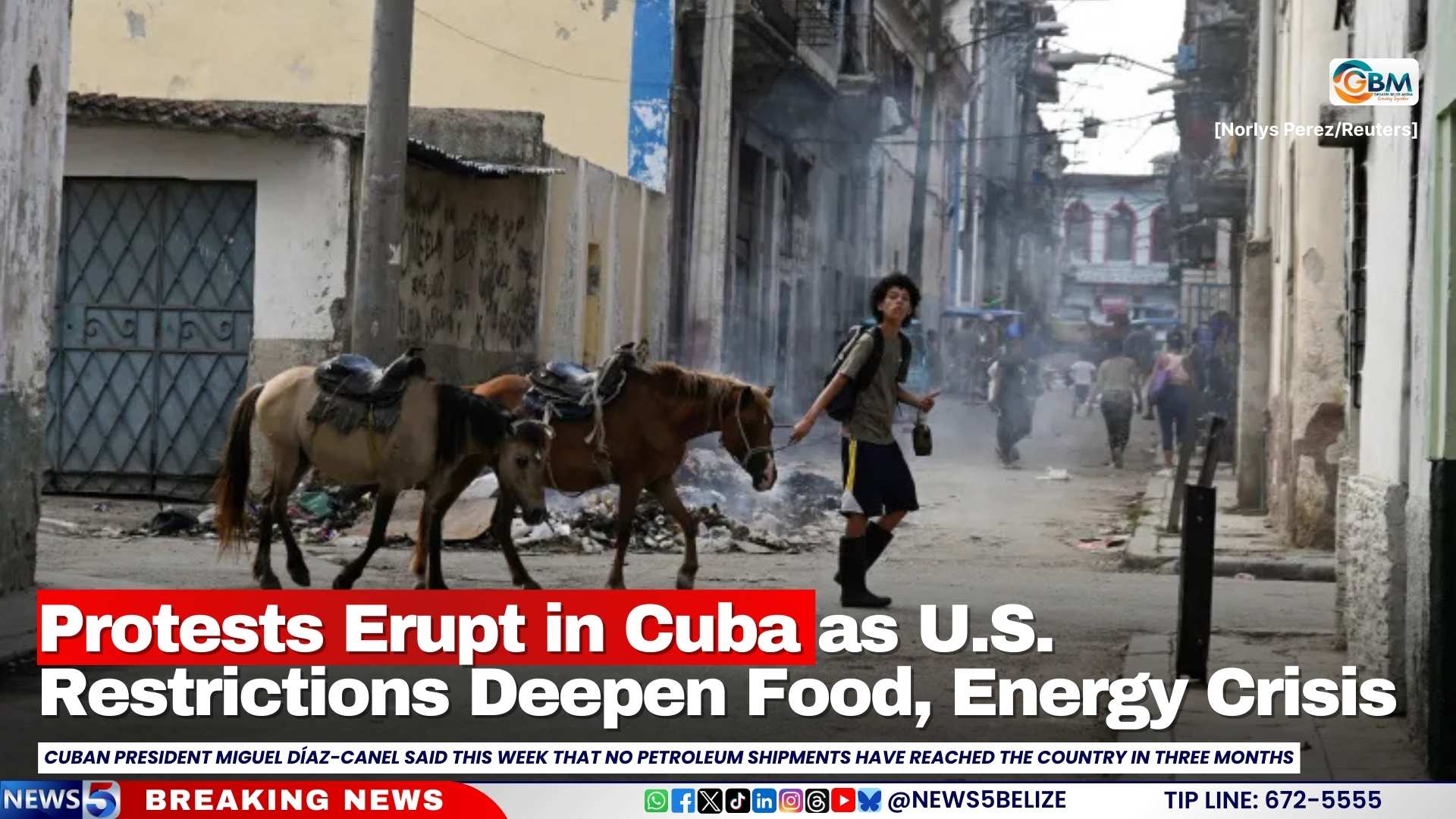
Cuba is experiencing rare waves of civil discontent as mounting economic pressures trigger widespread resource shortages. In the central city of Morón, demonstrators set ablaze a local Communist Party headquarters, marking one of the most significant anti-government protests in recent history.
State media reported five arrests following what authorities characterized as ‘acts of vandalism.’ According to government-run newspaper Invasor, the demonstration initially manifested as a peaceful gathering before escalating into direct attacks on municipal government facilities. Unverified social media footage appears to show protesters hurling stones at the burning building while chanting calls for liberty.
Additional government installations reportedly sustained damage during overnight unrest. While no injuries have been officially confirmed, human rights organization Justicia11 alleged audible gunfire and potential shooting victims—claims promptly denied by state media outlet Vanguardia de Cuba.
The protests represent a notable departure from Cuba’s typically subdued political landscape, where dissent traditionally faces immediate government response. However, public frustration has reached critical levels following weeks of intensifying rolling blackouts and food scarcity. Residents have increasingly resorted to ‘cacerolazos’—nocturnal pot-banging demonstrations—while University of Havana students recently staged sit-ins after energy rationing suspended academic activities.
This deterioration directly correlates with intensified U.S. sanctions initiated under the Trump administration. January 2026 witnessed Washington halting Venezuelan oil transfers to Cuba, followed by an executive order threatening penalties against nations supplying fossil fuels to the island nation. Cuban President Miguel Díaz-Canel confirmed this week that no petroleum shipments have reached the country in ninety days, crippling the nation’s aging power grid and devastating electricity generation capabilities.
President Trump recently indicated potential escalation, suggesting Cuba would be ‘next’ in line for increased pressure following U.S. actions in Venezuela and Iran.