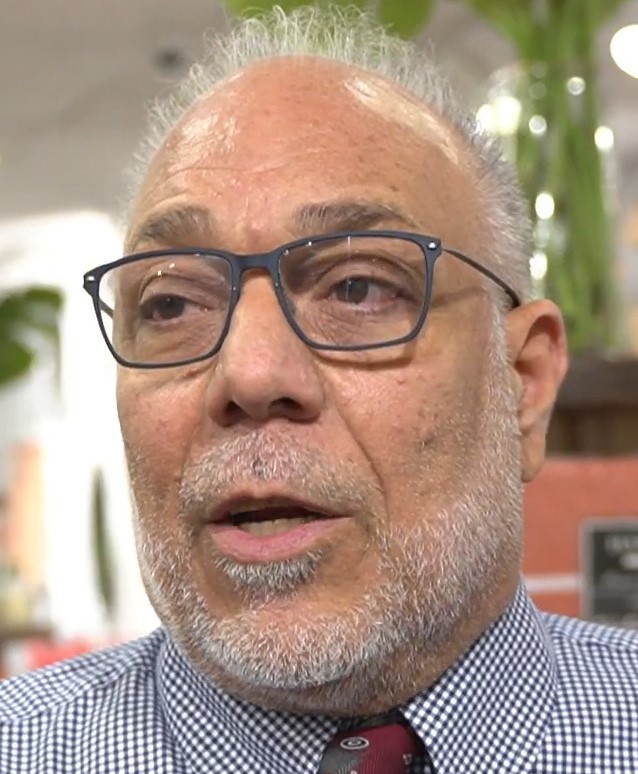
Ahead of Barbados’ national budget announcement, prominent private sector leader Eddy Abed has issued a compelling appeal for collaborative action between government and businesses to address the island’s escalating cost of living challenges. The Managing Director of Abed & Company Ltd emphasized that current economic pressures demand more than isolated policy measures, advocating instead for a unified strategy to tackle systemic issues affecting consumers.
Central to Abed’s concerns is Barbados’ current method of calculating import duties, which incorporates both merchandise costs and freight charges into the taxable base. This compounding effect, he argues, artificially inflates retail prices by 15-20%, creating an unnecessary burden on both retailers and consumers. The business leader pointed to international alternatives, specifically noting that the United States calculates duties solely on the Free On Board (FOB) value of goods, excluding transportation and insurance costs.
With global oil prices threatening to push freight costs even higher, Abed warned that without structural reforms, these increased logistics expenses would inevitably transfer to consumers through elevated retail prices. Beyond immediate fiscal adjustments, he highlighted broader systemic improvements needed in Barbados’ business environment, particularly regarding regulatory approvals for development projects requiring substantial capital investment.
Abed specifically proposed creating an “expedited window” for large-scale investments, suggesting that establishing clear thresholds would demonstrate government commitment to valuing private sector contributions while maintaining necessary oversight.
The business leader also addressed Barbados’ energy infrastructure, emphasizing the critical need to accelerate renewable energy adoption and reduce dependence on volatile fossil fuel markets. He expressed particular concern about the island’s vulnerability should oil prices reach $150-200 per barrel, noting that current dependency creates damaging ripple effects throughout the economy.
Abed revealed that technical projects for energy transition have already gone to tender but stressed that ensuring grid reliability requires coordinated public-private effort. “It needs to be a joint approach towards storing this energy so it works efficiently for the grid in Barbados,” he stated, underscoring the interconnected nature of economic and energy reforms needed to build sustainable economic resilience.