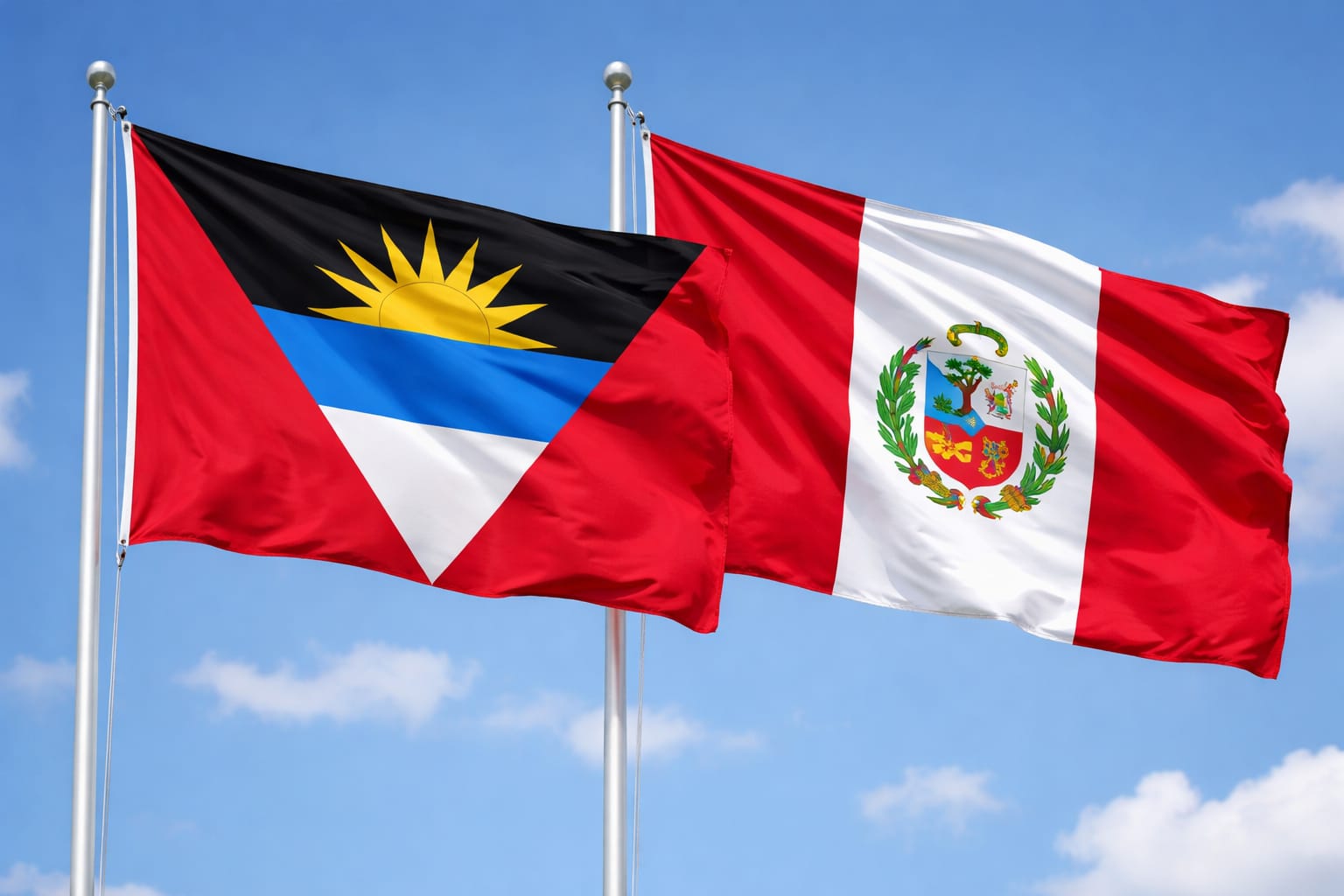
In a significant move to bolster bilateral relations, the Caribbean nation of Antigua and Barbuda and the South American republic of Peru have formally initiated talks to deepen their diplomatic engagement and expand trade cooperation. The development marks a strategic effort to bridge the Caribbean and Pacific regions through enhanced multilateral collaboration.
High-level discussions between government delegations have centered on establishing a more robust framework for political dialogue and mutual support in international forums. Both nations recognize the value of presenting a united front on global issues, particularly those affecting small island developing states (SIDS) and Andean communities.
Economically, the partnership seeks to capitalize on complementary market strengths. Antigua’s position as a tourism-dependent economy with emerging digital sectors presents opportunities for Peruvian investment in hospitality infrastructure and technology ventures. Conversely, Peru’s robust agricultural export sector—particularly its world-renowned coffee, quinoa, and specialty food products—stands to gain improved market access to Eastern Caribbean consumers.
The negotiations also address streamlined customs procedures and reduced trade barriers, potentially establishing preferential terms for key commodities. This aspect of the agreement aims to make Peruvian exports more competitive in Antiguan markets while creating pathways for Antiguan services and expertise to enter the Peruvian economy.
Beyond trade, the talks encompass cultural exchange programs and educational partnerships. These initiatives are designed to foster greater people-to-people connections and develop institutional knowledge sharing between the two nations, creating lasting bonds beyond governmental agreements.
The strengthened alliance reflects a growing trend among mid-sized and smaller economies to form strategic partnerships that enhance their collective bargaining power in international trade negotiations and global governance discussions. This bilateral effort demonstrates how geographically distant nations can find common ground through shared economic interests and complementary developmental goals.