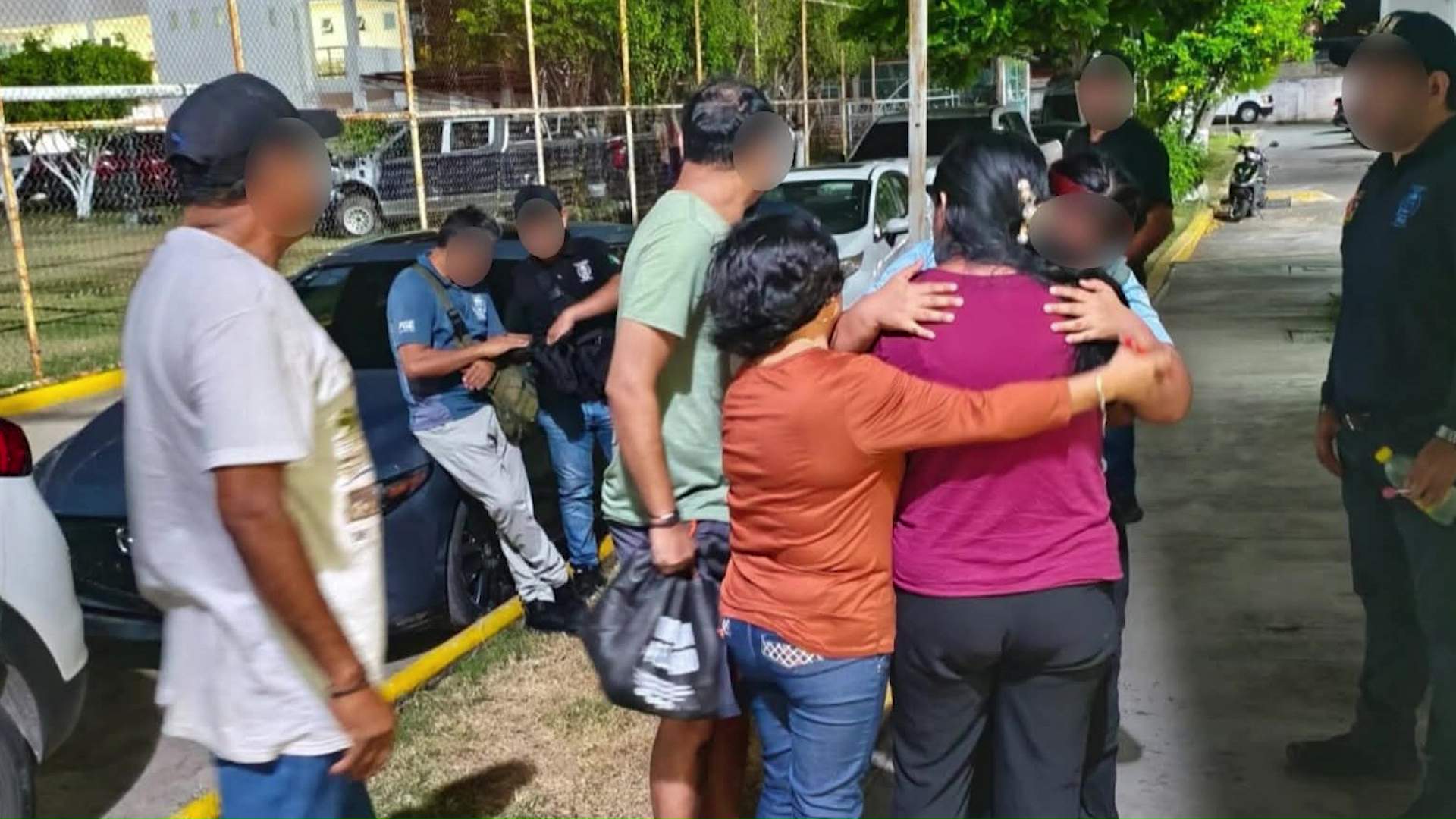
A sophisticated virtual kidnapping scheme has targeted Belizean citizens in Mexico, leveraging psychological manipulation and digital surveillance to extort thousands of dollars from terrified families. The scam, orchestrated from a detention facility in Tamaulipas according to Mexican authorities, involves criminals cloning phones, monitoring communications in real-time, and coercing victims into producing staged proof-of-life materials.
In two recent cases, families received harrowing ransom calls claiming cartel kidnappings in Chetumal. The scammers employed a multi-phase psychological operation: first directing victims to public locations to test compliance, then isolating them in hotel rooms while making financial demands. Through simultaneous intimidation of both captives and their families, the perpetrators created an illusion of imminent danger that prompted rapid payment to controlled accounts.
Belize’s Ambassador to Mexico Oscar Arnold revealed additional targeting patterns, including an elderly woman victimized during a dental visit after her contact information was compromised. The ambassador noted the criminals’ strategic ransom pricing—sufficiently high for profitability but low enough for families to pay quickly.
In a separate but related incident, Belizean travelers faced vehicle verification challenges in Chetumal when Mexican auto-theft units identified VIN irregularities. While determined to be legitimate investigations rather than extortion attempts, these encounters highlighted cross-border documentation vulnerabilities.
Authorities advise heightened vigilance regarding unknown callers, cautious handling of personal information during travel, and immediate contact with local law enforcement when threatened. The virtual kidnapping trend demonstrates evolving criminal methodologies that exploit digital tools and transnational travel patterns.