Across conflict-ravaged regions from Gaza to Afghanistan, an extraordinary juxtaposition unfolds as communities simultaneously observe Nowruz celebrations and Ramadan fasting rituals amidst unimaginable devastation. While international observers document the destruction, local residents continue centuries-old traditions with profound determination.
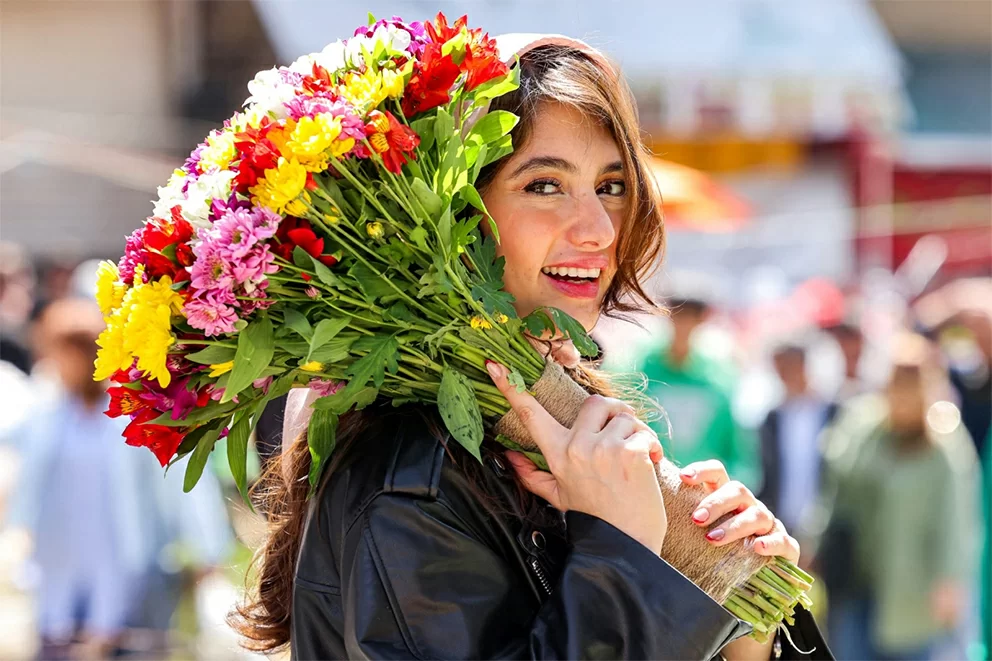
In Tehran’s Tajrish Bazaar, women smile while holding flower bouquets in preparation for Nowruz, the Persian New Year that coincides with Ramadan this year. This visual symbolism contrasts sharply with scenes from Afghanistan where families clean homes surrounded by unrecovered rubble, plant flowers in pots while the earth thirsts for blood, and prepare feasts despite countless empty tables.
The convergence of these observances creates powerful philosophical contradictions: Muslims worldwide engage in soul purification through fasting and prayer while in Gaza, Iran, Afghanistan, Syria, Yemen, and Sudan, bodies are prepared for burial with nothing but silence. Children are extracted from rubble rather than breaking their fast with dates at sunset. Mothers are buried by daughters who should be fitting new dresses for Eid celebrations.
This persistent adherence to tradition represents what analysts term the ‘Mahdi concept’ – not a messianic figure descending from heaven, but a collective spiritual resilience that refuses to surrender to imposed circumstances. The act of cleaning homes, laying new carpets, watering flowers, and extending invitations becomes revolutionary resistance against destruction.
Historical parallels emerge from Islamic teachings, notably Prophet Mohammed’s saying: “If the Day of Judgment arrives while one of you holds a seedling, let him plant it.” This ethos of planting despite impending doom, celebrating life within death’s shadow, forms the indestructible core of human spirit currently manifesting across conflict zones.
The profound wisdom underlying these traditions suggests that as long as communities maintain cultural practices – cleaning, planting, inviting, fasting, praying, hoping – victory does not belong to those who believe violence holds the final word. This dual observance of Nowruz and Ramadan transcends cultural ritual to become what anthropologists identify as the most subversive resistance: refusing to stop living.
The immense irony between what these holy days represent and what they have become creates nearly unbearable tension. Yet within this tension germinates the unbreakable seed of human resilience, demonstrating that true spring is not a season but a conscious decision to embody renewal despite surrounding destruction.