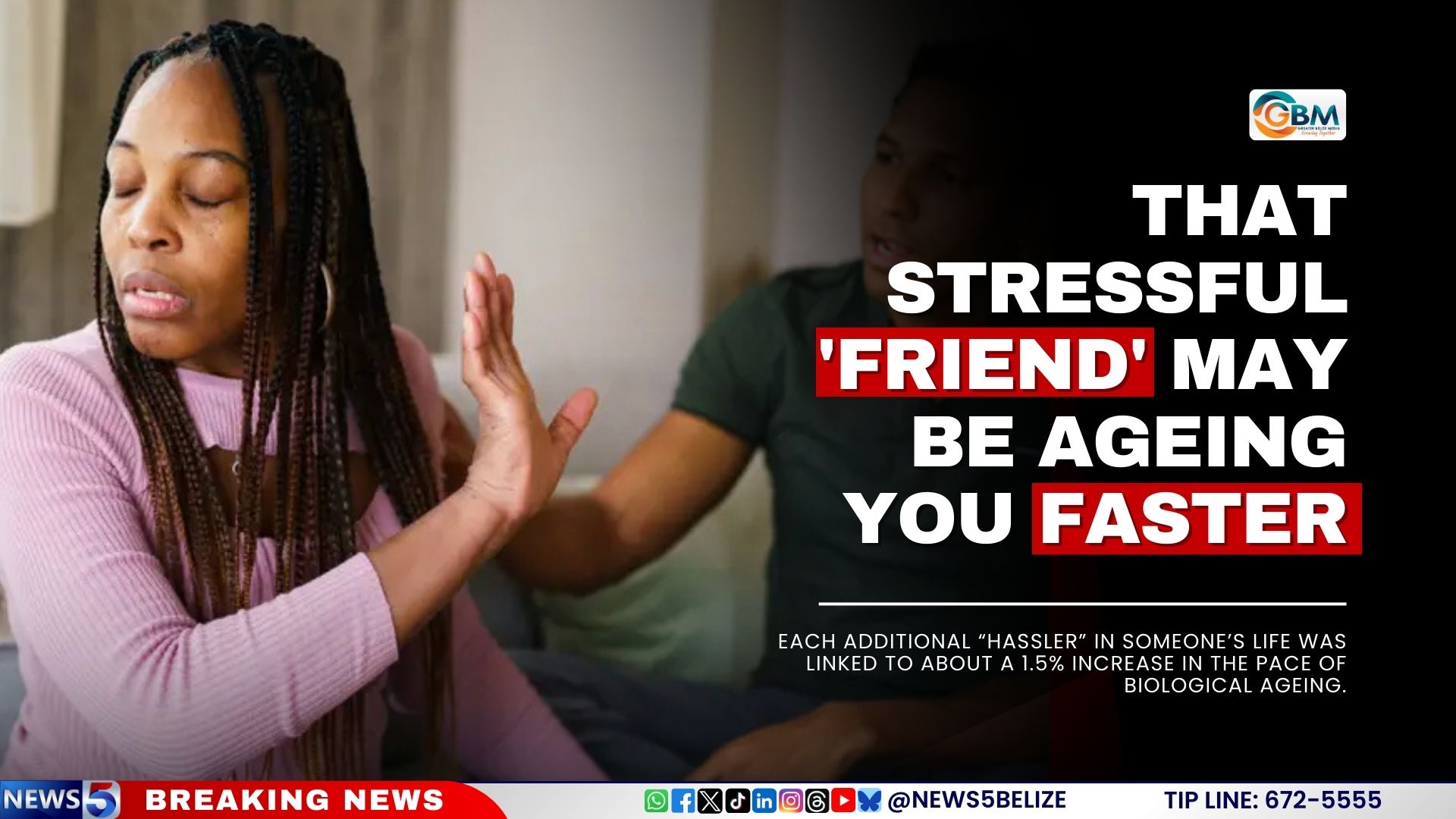
Groundbreaking research funded by the National Institute on Aging has uncovered a startling connection between stressful personal relationships and accelerated biological aging. The study, published in the prestigious Proceedings of the National Academy of Sciences, demonstrates that difficult individuals in one’s social circle—termed ‘hasslers’—can significantly impact the body’s aging mechanisms.
Researchers from New York University conducted comprehensive analysis of over 2,000 adult participants, examining saliva samples for specific biological markers associated with aging. The findings revealed that each additional stress-inducing person in an individual’s life correlates with approximately a 1.5% increase in biological aging pace.
According to lead researcher Byungkyu Lee, these problematic relationships function as chronic stressors that continuously activate the body’s stress response systems. ‘These connections may operate as persistent stress triggers,’ Lee explained, noting that the cumulative effect of such relationships can substantially impact physical health over time.
The study identified that nearly 30% of participants reported at least one such problematic relationship in their social environment, with family members, coworkers, and roommates emerging as the most common sources of persistent stress.
While completely removing these individuals from one’s life may not always be practical, experts recommend implementing strong boundaries and increasing time spent with supportive relationships as effective countermeasures. The research underscores the importance of evaluating relationship quality not just for emotional wellbeing, but for tangible physical health outcomes as well.