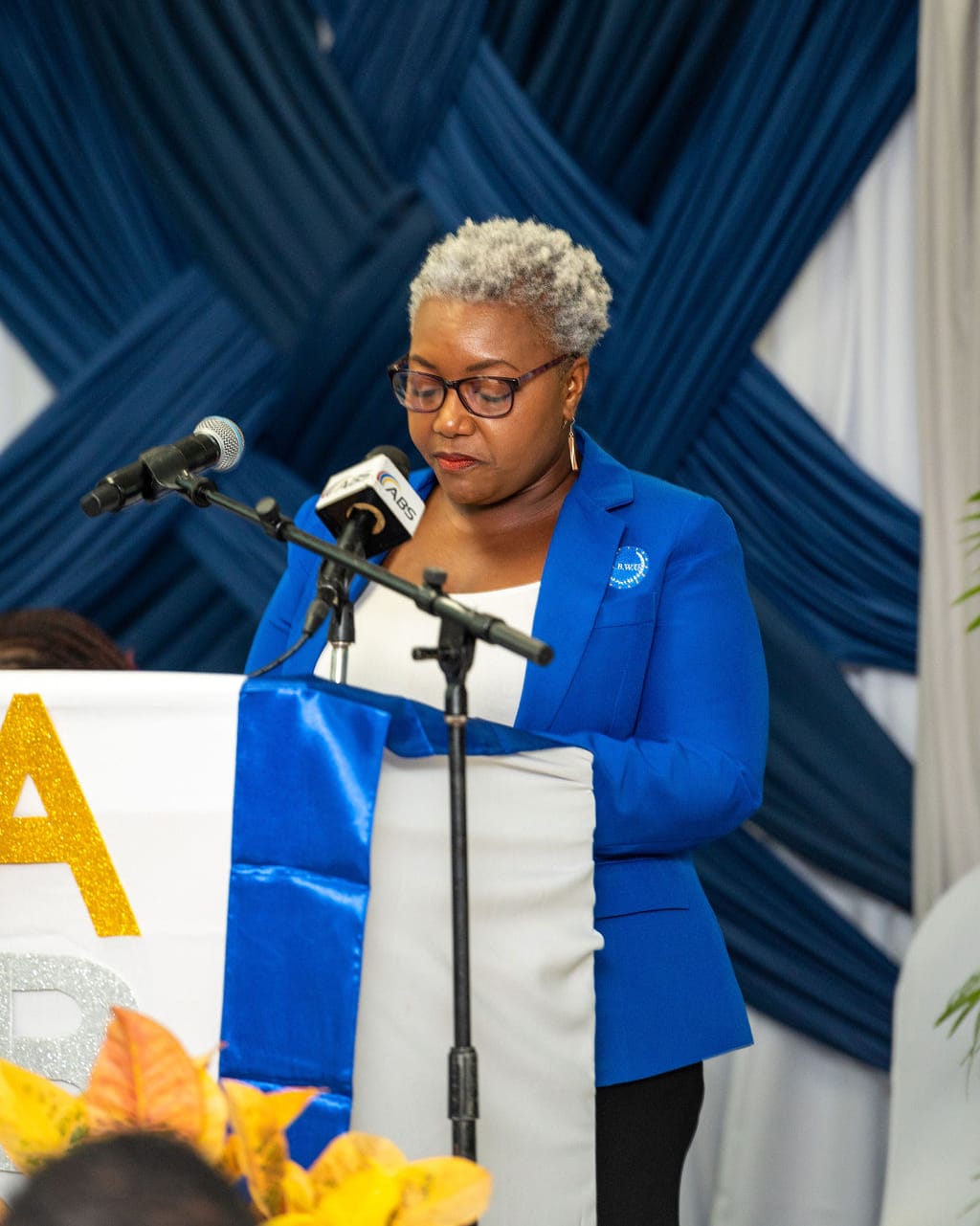
On International Women’s Day, Monique James-Roberts, Second Vice-President of the Antigua and Barbuda Workers’ Union (ABWU), articulated how female leadership is fundamentally reshaping labor advocacy through more inclusive and balanced approaches. Speaking about the transformative power of women in union leadership, James-Roberts emphasized that their presence at decision-making tables generates comprehensive outcomes benefiting the entire membership spectrum.
James-Roberts contrasted leadership styles, noting that while male counterparts often maintain rigid positions, women typically employ more conciliatory approaches that foster effective compromise and balanced resolutions. This distinctive perspective, she explained, stems from natural nurturing instincts that extend beyond individual workers to encompass their families through thoughtfully designed policies and programs.
The ABWU has implemented intentional inclusion strategies resulting in gender parity within its 18-member Executive committee, with nine positions occupied by women. This structural equality creates platforms for female professionals to develop leadership capabilities while contributing substantially to organizational direction.
Among groundbreaking initiatives, the union is developing workplace provisions addressing unique female biological experiences including menstruation, maternity, and menopause. The proposals additionally advocate for enhanced breastfeeding accommodations and expanded paternity leave provisions within Collective Bargaining Agreements. James-Roberts emphasized the critical importance of paternity leave, noting that postpartum support from partners necessitates corresponding workplace policy adaptations.
These progressive measures represent the union’s commitment to modernizing workplace standards to align with contemporary family needs. For aspiring female leaders, James-Roberts recommended cultivating self-confidence, developing clear vision, seeking mentorship, building resilience against setbacks, and pursuing continuous skill enhancement.
Expressing optimism about women’s trajectory in labor movements, James-Roberts highlighted the union’s constitutional prohibitions against discrimination and guaranteed equal leadership opportunities. She concluded with an empowering message for Antigua and Barbuda’s women to stand visibly in their power, serving as beacons of hope through unified presence and vocal advocacy.