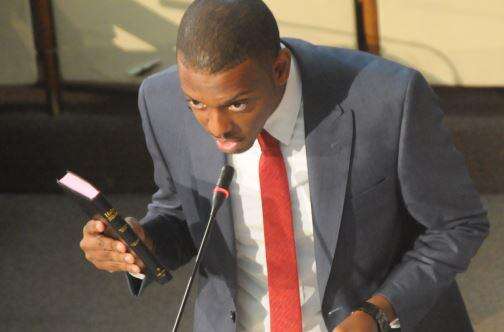
KINGSTON, Jamaica — Significant concerns regarding the Jamaican government’s SPARK road rehabilitation initiative have been formally raised by opposition officials, citing substantial inconsistencies in program details. Dwayne Vaz, Deputy Opposition Spokesperson on Road and Works and Member of Parliament for Westmoreland Central, has publicly challenged the administration’s transparency and accountability concerning the project’s execution.
In an official communication released Saturday, Vaz highlighted contradictory statements from Robert Morgan, the Minister with responsibility for Works. These statements, according to Vaz, appear to directly conflict with previously established budget allocations and public commitments made by the government.
The core issues identified encompass three major areas of discrepancy. Firstly, the program’s timeline has reportedly been extended without clear public justification. Initially presented as a short-term project scheduled from January 2025 to March 2028, expenditure estimates now suggest activities will continue until 2030.
Secondly, confusion surrounds the geographical scale of the project. While Minister Morgan recently indicated that SPARK would address approximately 1,200 kilometers of the island’s 26,000-kilometer road network, Vaz contends this figure is inconsistent with earlier documentation that suggested a more limited scope.
Thirdly, and perhaps most critically, a drastic reduction in the number of beneficiary roads has been flagged. Initial government estimates promised improvements for approximately 693 roads, ensuring a minimum of 10 infrastructure upgrades per constituency. Recent statements, however, suggest this figure may have been slashed to just 400 roads, raising serious questions about equitable distribution across electoral districts.
Financial allocation discrepancies further compound these concerns. Previous budget estimates designated $20 billion for the current financial year and $14 billion for the subsequent period to fully fund SPARK. The currently approved budget, however, allocates a mere $4.5 billion, potentially leaving numerous planned projects incomplete and undermining the program’s overall efficacy.
Emphasizing that road rehabilitation is vital for local communities, agricultural transport, and broader economic activity, Vaz maintained that the public deserves accurate and verifiable information regarding project deliverables, timelines, and financial stewardship. He has formally demanded that the government provide Parliament and the Jamaican public with consistent, verified updates on the confirmed number of roads, a realistic completion schedule, and a transparent breakdown of constituency-level project distribution.