Artists and creators in Guyana are intensifying their campaign for comprehensive copyright legislation reform, arguing that the country’s current 1956 British Copyright Act fails to protect intellectual property in the digital age. The movement gained momentum during a panel discussion titled “The Orange Economy: Women, Creativity & Inclusive Economic Power,” organized by Merundoi Inc and the Guyana Responsible Parenthood Association as part of 2026 International Women’s Day events.
Veteran theater producer Gem Madhoo-Nascimento emphasized the urgent need for modernization, stating that the existing framework represents a significant problem requiring immediate government attention. She revealed that creative professionals routinely have their works broadcast and used commercially without receiving appropriate compensation. “A lot of the musicians and creative people, their works are being used and played on the air and they’re not getting a penny for it,” Madhoo-Nascimento explained.
The World Trade Centre Georgetown has already conducted a thorough review of the current legislation, analyzing implications for Guyana’s creative economy and submitting formal recommendations to the government. Despite this preparatory work and campaign promises from the ruling People’s Progressive Party Civic (PPPC) to enact copyright and intellectual property legislation, the matter remains absent from the government’s current legislative agenda.
Young singer-songwriter and radio presenter Omaiah Hall provided a personal perspective, describing how she encountered advertisements featuring her own music while on air—a stark illustration of the compensation gap. Hall argued that weak copyright protection actively discourages artistic production, as creators see little financial incentive to develop new works when their existing creations generate revenue for others without compensation.
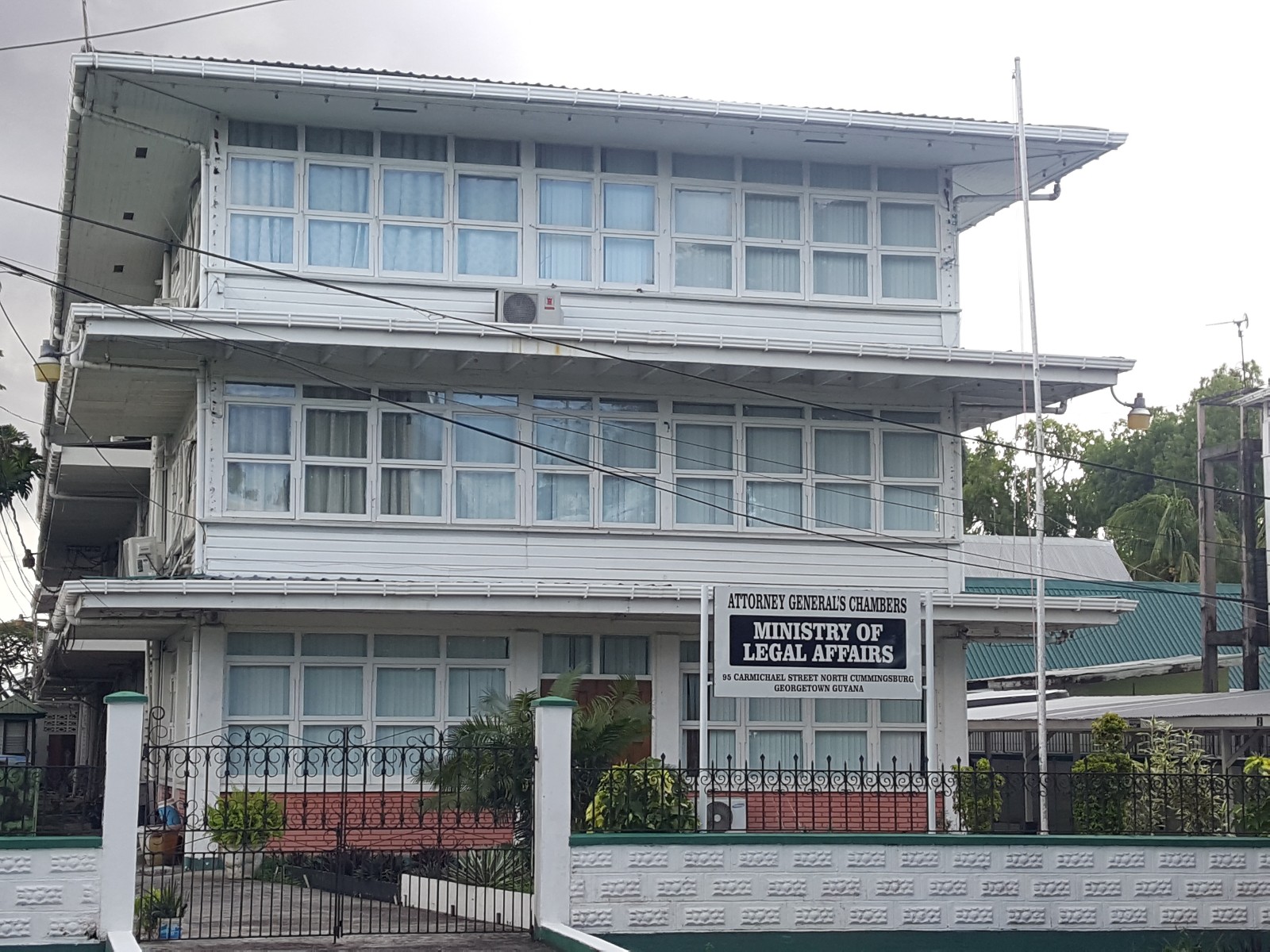
The political opposition has taken action, with the People’s National Congress Reform-led A Partnership for National Unity (APNU) tabling a parliamentary motion demanding copyright law reform. However, Attorney General and Minister of Legal Affairs Anil Nandlall previously indicated Guyana’s preference to await a model Caribbean Community (CARICOM) copyright and intellectual property bill, potentially delaying domestic action.
Cultural figures are now calling for government ministers responsible for culture and sports to better understand the creative industry’s specific needs and challenges, highlighting the economic potential of properly regulated intellectual property rights for Guyana’s developing creative sector.