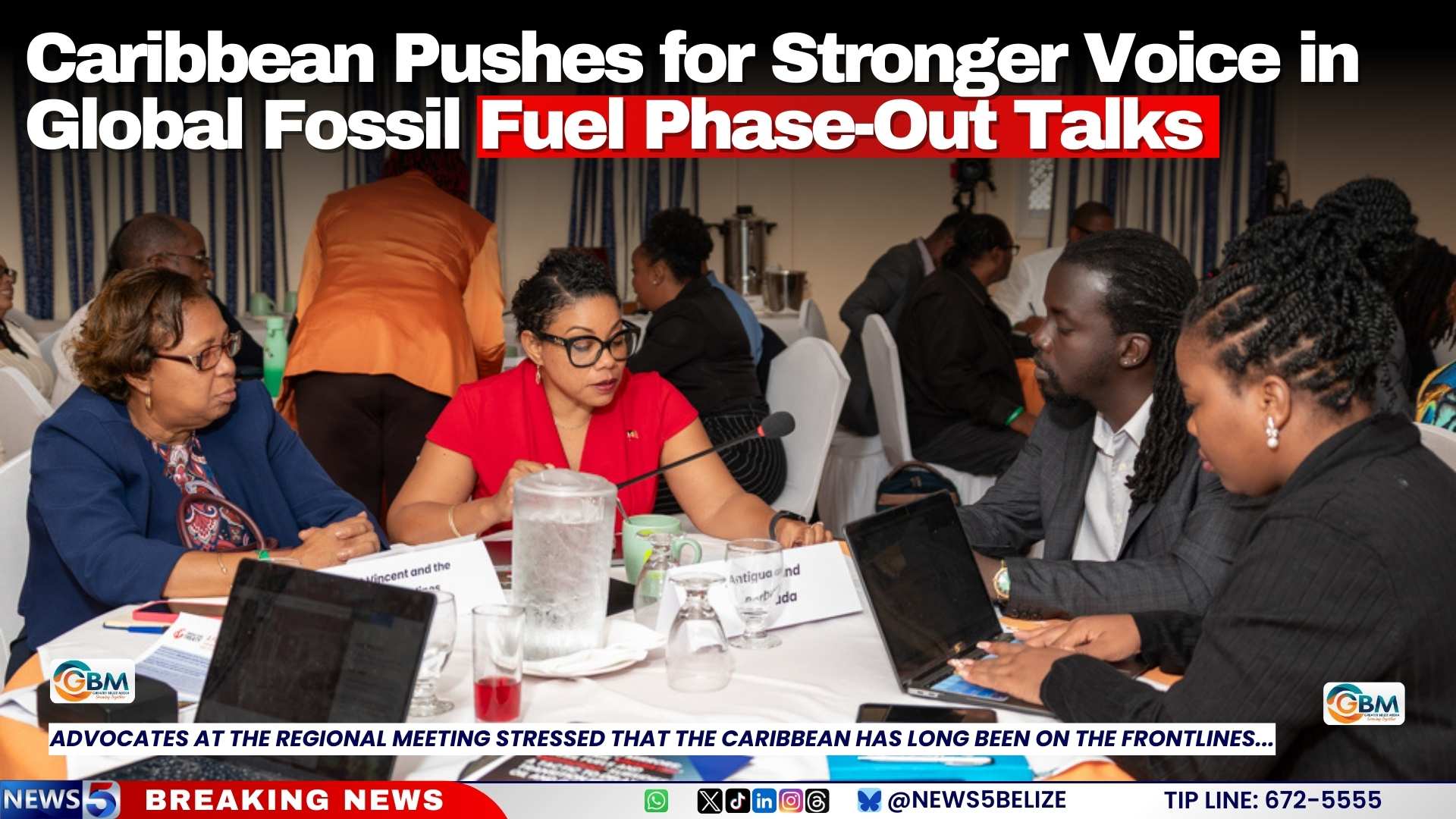
Caribbean leaders and climate experts convened in Saint Lucia this week to consolidate the region’s position ahead of pivotal international negotiations on fossil fuel phase-out. The strategic gathering brought together senior government officials and civil society representatives amid stalled global climate discussions regarding financing and management of a equitable transition from oil, gas, and coal.
Regional participants emphasized the urgency of immediate action, citing recent data showing fossil fuel production continues to exceed levels compatible with the Paris Agreement’s 1.5°C warming limit—a threshold Caribbean nations vigorously advocated for. Dr. James Fletcher, Executive Director of the Caribbean Community Climate Change Centre, stressed that the region’s diplomatic credibility hinges not only on its climate vulnerability but on presenting concrete proposals. “Our calls for justice must be matched with clear frameworks for concessional finance, debt reform, renewable energy scaling, and social protections for vulnerable communities,” Fletcher asserted.
The meeting served as a preparatory session for the First International Conference on Transitioning Away from Fossil Fuels, scheduled for late April in Santa Marta, Colombia, co-hosted by Colombia and the Netherlands. Caribbean advocates highlighted their frontline experience with climate impacts, with Theresa Rodriguez-Moodie of the Jamaica Environment Trust detailing the devastating aftermath of Hurricane Melissa—including destroyed infrastructure, massive displacements, and agricultural devastation.
Financing mechanisms emerged as a critical concern, with Charlin Bodlee of the Caribbean Centre for Renewable Energy noting significant funding gaps in implementing climate commitments. Bodlee emphasized that current climate finance represents only a fraction of needs, with loan-based approaches exacerbating fiscal strain rather than building long-term resilience.
Alex Rafalowicz of the Fossil Fuel Treaty Initiative warned that continued fossil fuel expansion not only accelerates climate change but exacerbates public health crises, biodiversity loss, and plastic pollution, presenting profound risks to planetary life systems.