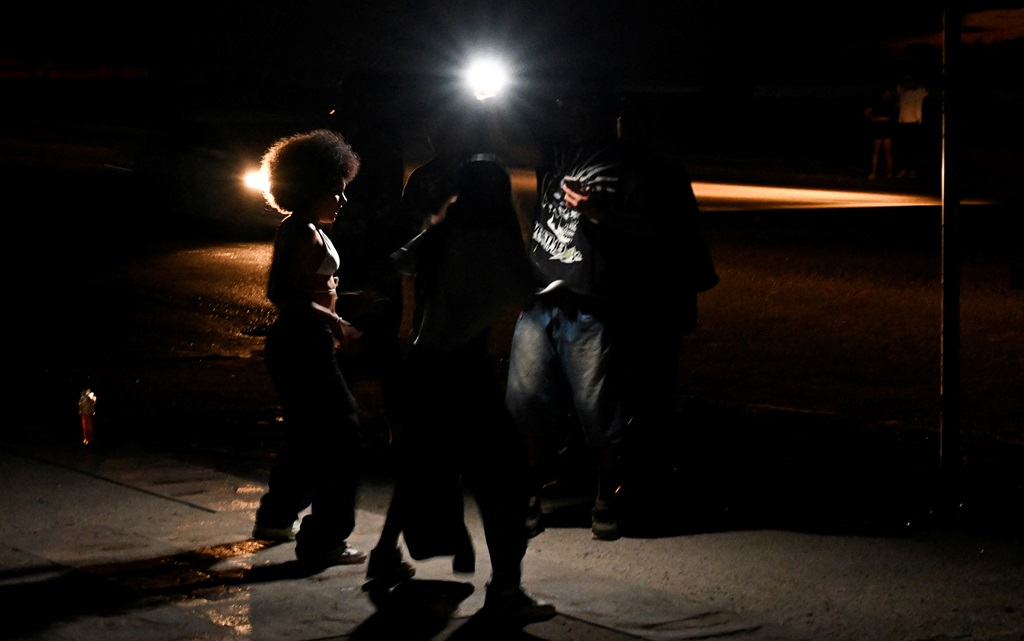
A catastrophic failure within Cuba’s fragile power grid triggered a massive blackout on Wednesday, leaving approximately two-thirds of the population, including the capital city of Havana, without electricity. According to the state-run utility UNE, the nationwide outage originated from a sudden and severe breakdown at the Antonio Guiteras thermoelectric plant, a critical facility and one of the largest on the island. The incident precipitated an immediate collapse, primarily affecting the central and western regions of Cuba.
This event is the latest and most severe manifestation of a long-standing energy crisis that has crippled the Caribbean nation. Cuba’s dilapidated power generation infrastructure, coupled with a chronic shortage of fuel, has led to a distressing norm of daily blackouts that can extend up to 20 hours in some areas, severely disrupting daily life and economic activity.
The situation has been dramatically intensified by geopolitical tensions. The energy crisis reached a critical inflection point following the U.S. government’s decision to effectively oust Venezuelan leader Nicolas Maduro, a key strategic ally for Cuba, from power in early January. The administration of President Maduro had been a vital economic lifeline, historically supplying nearly half of Cuba’s fuel imports. His departure from recognized leadership created an immediate supply shock.
In response, Washington initially imposed a stringent oil embargo on its long-standing political adversary, Cuba. This move, however, was met with grave concerns from neighboring Caribbean nations, who warned of the potential for triggering a complete economic collapse and a subsequent humanitarian disaster on the island. Facing these regional pressures, the U.S. subsequently opted to ease the stringent embargo restrictions, though the damage to Cuba’s already precarious fuel supply chain was profound and lasting.