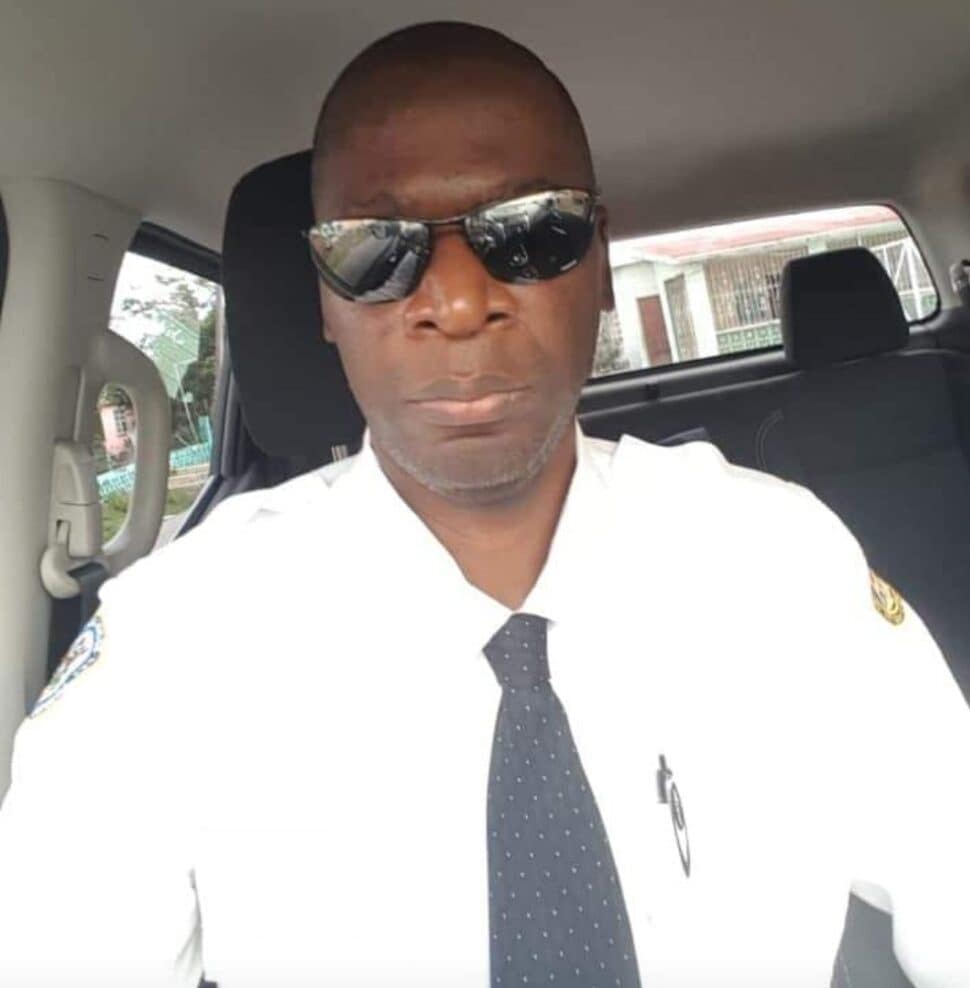
In a dramatic turn of events at the Nigel Christian murder trial, defense attorneys launched a forceful challenge against the police investigation’s integrity on Monday. The proceedings took a contentious turn as lawyers accused officers of potentially planting a ski mask at the residence of one defendant after forensic analysis revealed no DNA connection to suspect Wayne Thomas.
The allegations emerged during testimony from an officer involved in executing search warrants at the homes of the accused. Defense counsel rigorously questioned whether proper evidence collection protocols were followed and challenged the fundamental basis for arresting the men on robbery charges without clear identification of the alleged criminal offense.
A digital forensics corporal faced intense cross-examination, with defense attorneys suggesting he had previously been removed from the cyber investigations unit due to evidence handling concerns—an allegation the officer firmly denied. The testimony revealed that the officer had only retrieved surveillance footage from between 5 and 6 p.m. on the day of the killing and had not searched for footage of a white Toyota RAV4 previously mentioned by a key prosecution witness.
Jurors examined several surveillance clips, including footage from Marble Hill Road that appeared to show Christian’s vehicle being followed by a silver car, though license plate identification remained impossible.
Emotional testimony came from family members of the slain Customs officer, with his sister confirming the formal identification of his body and his brother revealing that Christian had previously warned him to remain vigilant amid growing tensions at his workplace.
Defendants Lasean Bully, Wayne Thomas, and Saleim Harrigan face charges for the 2020 killing of the senior Customs official. All three have entered not guilty pleas. The trial continues under the supervision of Justice Rajiv Persaud, with the defense’s allegations casting new uncertainty over the investigation’s validity.