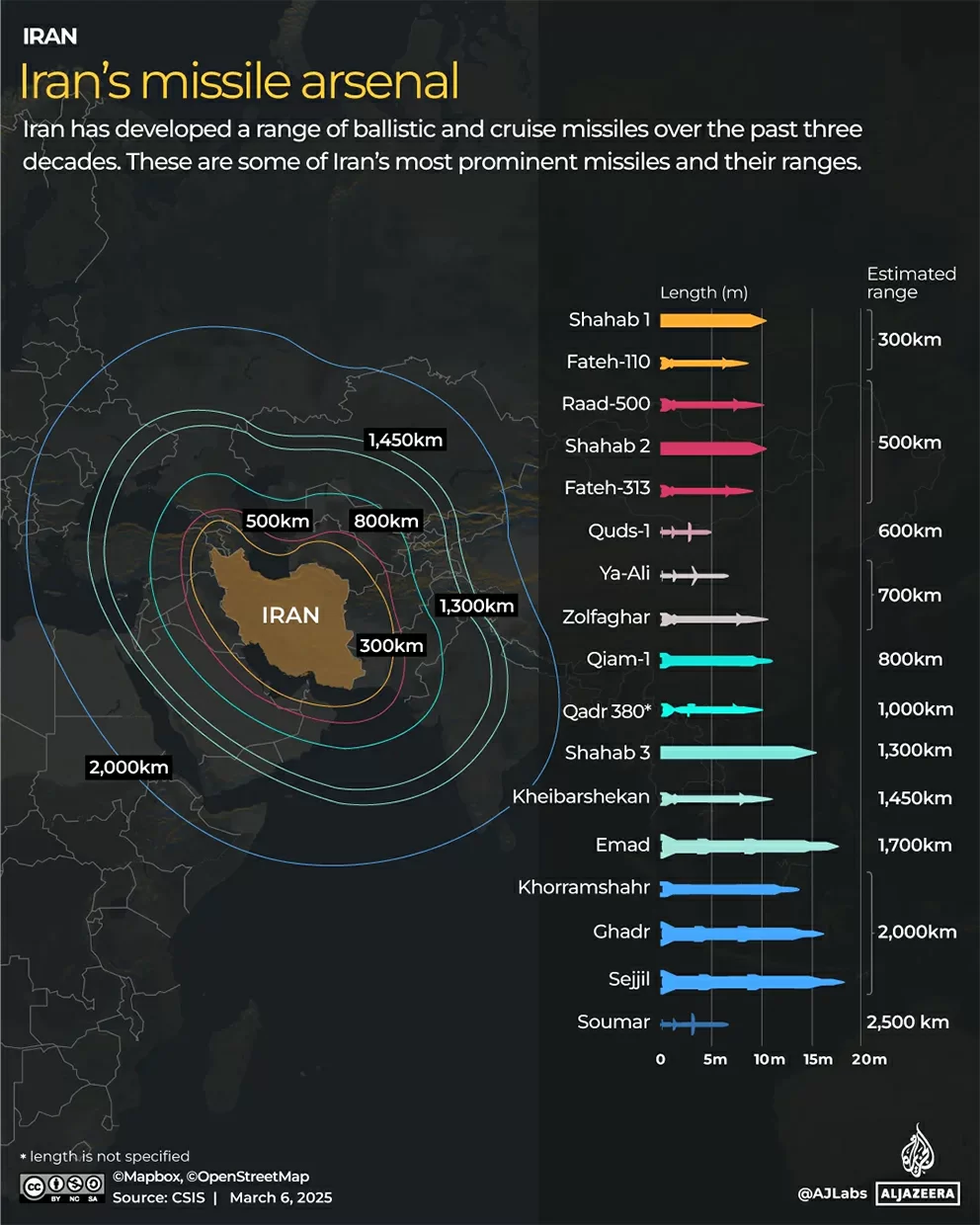
The Middle East faces unprecedented escalation following coordinated U.S.-Israeli airstrikes that resulted in the death of Iran’s Supreme Leader Ayatollah Ali Khamenei and numerous high-ranking officials. In retaliation, Iran and its ally Hezbollah launched extensive rocket and drone attacks, with several Iranian projectiles penetrating Israeli air defenses and striking West Jerusalem—a rare occurrence that triggered emergency shelter alerts among the civilian population.
The conflict expanded dramatically as Iran targeted multiple Gulf states including Bahrain, UAE, Qatar, Kuwait, and Jordan with dozens of missiles. While most were intercepted, significant damage occurred: the U.S. Fifth Fleet service center in Bahrain was hit, Abu Dhabi reported one fatality, and infrastructure across the region sustained substantial damage. The escalating violence prompted temporary airspace closures across the Gulf, disrupting international flight operations and logistics networks.
Israel responded with heavy bombardments on Hezbollah-controlled southern suburbs of Beirut, marking the most intense attacks on the area since the 2024 war. Israeli Chief of Staff Eyal Zamir declared Hezbollah fully responsible for hostilities and pledged to prevent the organization from maintaining threatening capabilities.
The economic repercussions immediately manifested through soaring global oil prices, driven by both regional instability and transportation disruptions. This price surge threatens to increase fuel and energy costs worldwide, particularly affecting import-dependent nations in the Caribbean and Latin America while potentially exacerbating inflationary pressures.
Humanitarian consequences continue to mount, with reports indicating approximately 180 schoolgirls killed in an Israeli strike on Minab, Iran, and medical facilities damaged in Tehran. Violent protests have erupted in Pakistan and Iraq, resulting in dozens of fatalities and destruction at Western diplomatic posts.
Despite U.S. assurances to Israel regarding contained escalation provided Hezbollah shows restraint, the opening of a new front in Lebanon confirms the conflict’s expanding nature. International observers warn of potential humanitarian catastrophe and prolonged regional destabilization as global leaders urge immediate de-escalation and diplomatic intervention.