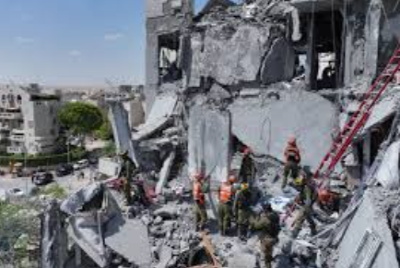
BRIDGETOWN, Barbados — Multiple Caribbean Community (Caricom) member states have voiced profound concern regarding the dangerous escalation of military hostilities in the Middle East, following coordinated strikes by the United States and Israel against Iran. The attacks, which reportedly resulted in significant casualties according to Iranian state media, have prompted calls for restraint and a return to diplomatic channels from several Caribbean governments.
The initial military action was justified by Washington and Tel Aviv as a necessary response to perceived threats from Iran. In retaliation, Iranian forces launched missile volleys toward both Israel and several Gulf states housing U.S. military installations. Iranian Foreign Minister Abbas Araghchi condemned the U.S.-Israeli operation as an ‘unprovoked, illegal and absolutely illegitimate’ act of aggression.
Regional responses from the Caribbean have emphasized the critical importance of international law and peaceful conflict resolution. The government of Antigua and Barbuda, through Prime Minister Gaston Browne, expressed deep concern about the rapid deterioration of stability, stating that attacks on nations not directly involved in a conflict represent a serious breach of international law. Browne emphasized unwavering support for national sovereignty and called for maximum restraint from all parties.
Guyana’s Ministry of Foreign Affairs and International Cooperation issued a statement condemning what it described as Iran’s ‘unprovoked attack’ on Bahrain, United Arab Emirates, Qatar, and Kuwait, characterizing these actions as unjustified and in violation of international law. The Guyanese government called for immediate de-escalation to preserve regional peace and stability.
Trinidad and Tobago’s government initially posted a statement on its Caricom and Foreign Affairs ministry website expressing support for U.S. and Israeli actions aimed at preventing ‘oppressive regimes’ from acquiring nuclear capabilities. However, the statement was subsequently withdrawn, creating ambiguity about the country’s official position.
Jamaica has taken practical measures by issuing a travel advisory urging its citizens to avoid the Middle East and advising those already in the region to exercise extreme vigilance and shelter in place as conditions require.
The collective Caribbean response aligns with calls from United Nations Secretary-General for renewed diplomatic engagement to prevent further deterioration of the situation and uphold the rule of law in international relations.