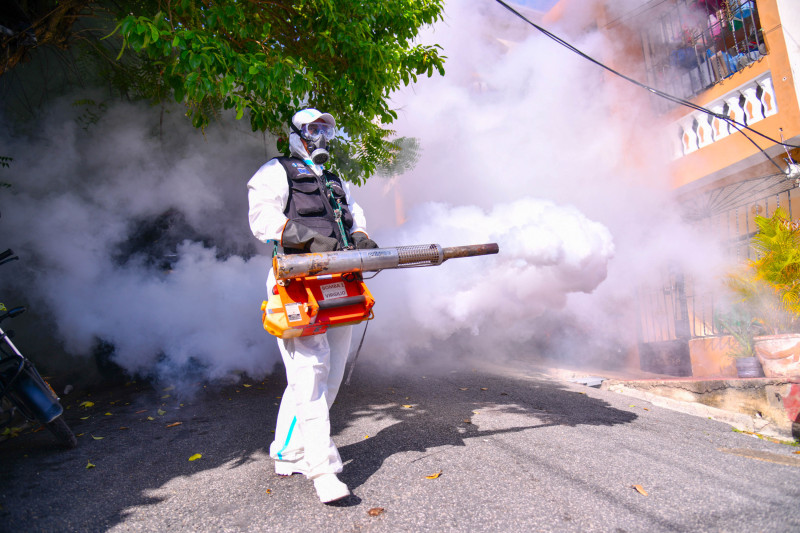
Santo Domingo’s Ministry of Public Health has released its sixth epidemiological bulletin for 2026, revealing a controlled dengue situation with 31 confirmed cases and zero fatalities recorded during the initial weeks of the year. Health authorities characterize the dengue transmission as remaining “within successful and safe zones of the endemic channel,” indicating minimal viral circulation with just one confirmed case reported this week.
The epidemiological landscape presents a more complex picture regarding other diseases. Leptospirosis cases demonstrate a low-to-moderate incidence pattern with a concerning upward trajectory, showing 2, 4, 5, and 6 cases in recent reporting periods.
Influenza A (H3N2) continues to exhibit persistent and widespread circulation across most epidemiological weeks, maintaining prolonged transmission patterns that began in the final four months of 2025. This sustained activity contrasts sharply with the more defined, shorter peaks observed for influenza subtypes A(H1N1)pdm09 and Influenza B.
The report highlights a challenging scenario of simultaneous co-circulation involving H3N2, respiratory syncytial virus (which typically surges in the latter half of the year), SARS-CoV-2, and other respiratory pathogens, creating sustained multiple transmission dynamics.
In response, health officials have intensified epidemiological and virological surveillance measures while expanding diagnostic and hospital capabilities. The ministry has prioritized influenza vaccination for vulnerable groups and enhanced health system resilience to reduce transmission and prevent severe outcomes.
The bulletin also notes concerning mortality statistics, including 10 maternal deaths (70% occurring among Haitian nationals) and 38 infant deaths cumulatively. Health facilities reported numerous case notifications including twelve instances of upper respiratory tract febrile disease, twelve hemorrhagic febrile cases, ten viral parotitis, nine eruptive febrile cases, eight lower respiratory tract febrile diseases, seven meningitis cases, five acute diarrheal diseases, three conjunctivitis cases, three febrile disease instances, and three chickenpox occurrences.