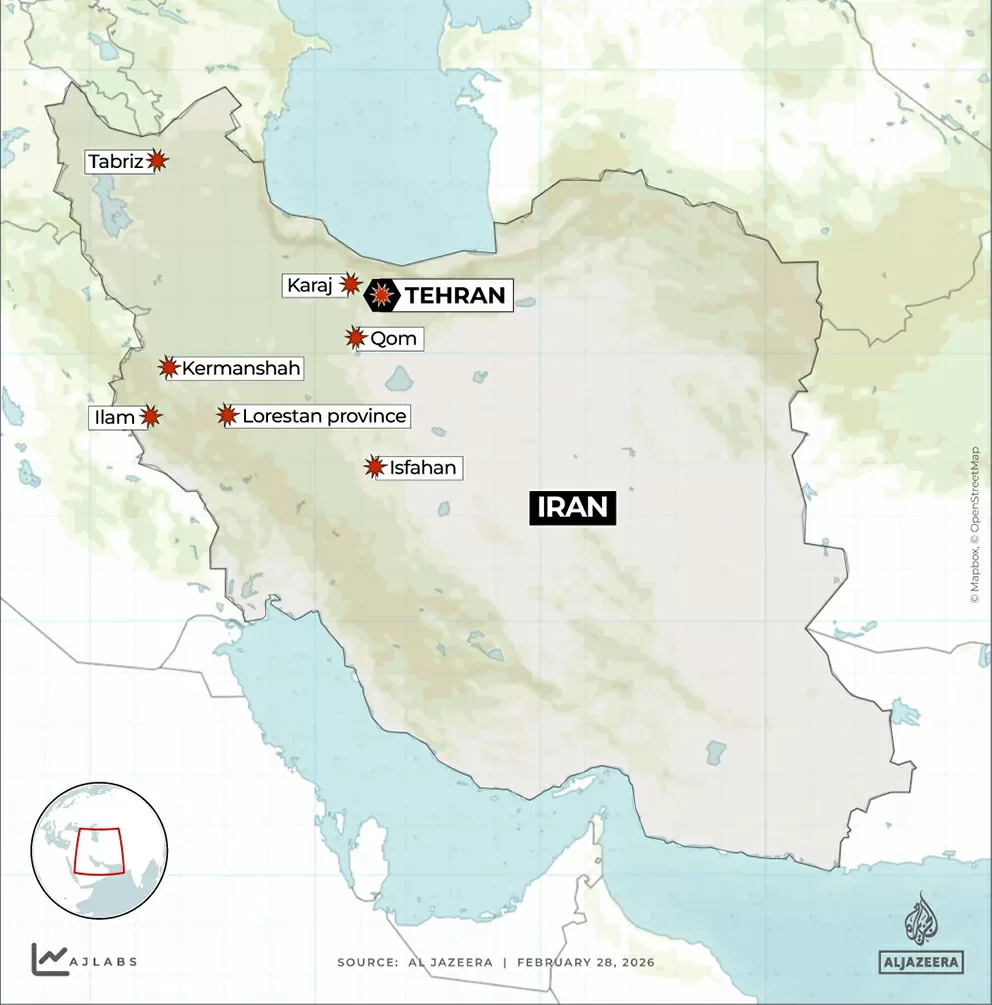
A coordinated military operation conducted by United States and Israeli forces against Iranian targets early Saturday has triggered international condemnation and significantly heightened geopolitical tensions across the Middle East. Dubbed ‘Operation Epic Fury,’ the offensive targeted Iran’s nuclear facilities and military infrastructure, prompting immediate retaliatory measures from Tehran and drawing sharp responses from global powers.
The United Nations and European Union issued urgent calls for restraint and diplomatic engagement following the attacks. UN Secretary-General António Guterres emphasized the critical importance of adhering to international law and avoiding further escalation, while EU representatives expressed deep concern that military action could undermine ongoing diplomatic efforts.
Russia and China delivered particularly strong condemnations of the operation. Moscow characterized the strikes as ‘an irresponsible provocation that unnecessarily exacerbates regional tensions,’ while Beijing warned that such military actions ‘seriously undermine Middle Eastern stability’ and urged immediate return to dialogue.
The military confrontation has triggered significant security responses across the Gulf region. Multiple nations have enhanced their military readiness, implemented temporary flight restrictions, and canceled commercial air traffic as precautionary measures. Bahrain’s American Fifth Fleet service center reportedly sustained damage from rocket attacks, while Israel temporarily closed its airspace to civilian flights.
Iranian leadership, including Supreme Leader Ayatollah Ali Khamenei and President Masoud Pezeshkian, were specifically mentioned as targets, though the extent of impact remains unclear. Tehran has responded with missile and drone strikes against Israeli positions and issued threats toward American interests throughout the region.
Political leaders from the attacking nations defended their actions. U.S. President Donald Trump characterized the operation as ‘necessary for American security’ and encouraged Iranian citizens to ‘reclaim their leadership when appropriate conditions are established.’ Israeli Prime Minister Benjamin Netanyahu framed the offensive as an opportunity for Iranians to ‘cast off the yoke of tyranny.’
The confrontation follows months of strained diplomatic negotiations between Washington and Tehran regarding Iran’s nuclear program. While Iran had demonstrated willingness to make concessions in exchange for sanctions relief, it consistently refused limitations on its ballistic missile development.
In the aftermath, Iran has announced plans to accelerate its missile program and implement additional military countermeasures. State media reports indicate new missile tests have been conducted and the Revolutionary Guard has been placed on heightened alert.
The UN Security Council has convened an emergency session to address the crisis, with numerous member states advocating for immediate cessation of hostilities and resumption of diplomatic talks. The EU has announced additional sanctions targeting specific Iranian military entities while simultaneously calling for de-escalation.
Regional economic implications have already emerged, with global oil prices experiencing significant increases following the attacks. Analysts warn that prolonged conflict could have far-reaching consequences for energy security and geopolitical stability worldwide. Both the U.S. and Israel have indicated readiness for further military action should Iran continue what they term ‘aggressive activities’ and nuclear weapons development, even as diplomatic efforts toward a new nuclear agreement continue despite diminishing prospects for swift resolution.