A longstanding land conflict in Pomona Village has reached a critical juncture, with allegations of intimidation and harassment emerging from both parties involved. The family of 74-year-old Miguel Angel Trejo claims the elderly resident now fears for his personal safety, directly accusing Stann Creek West Area Representative Rodwell Ferguson of orchestrating threats against him.
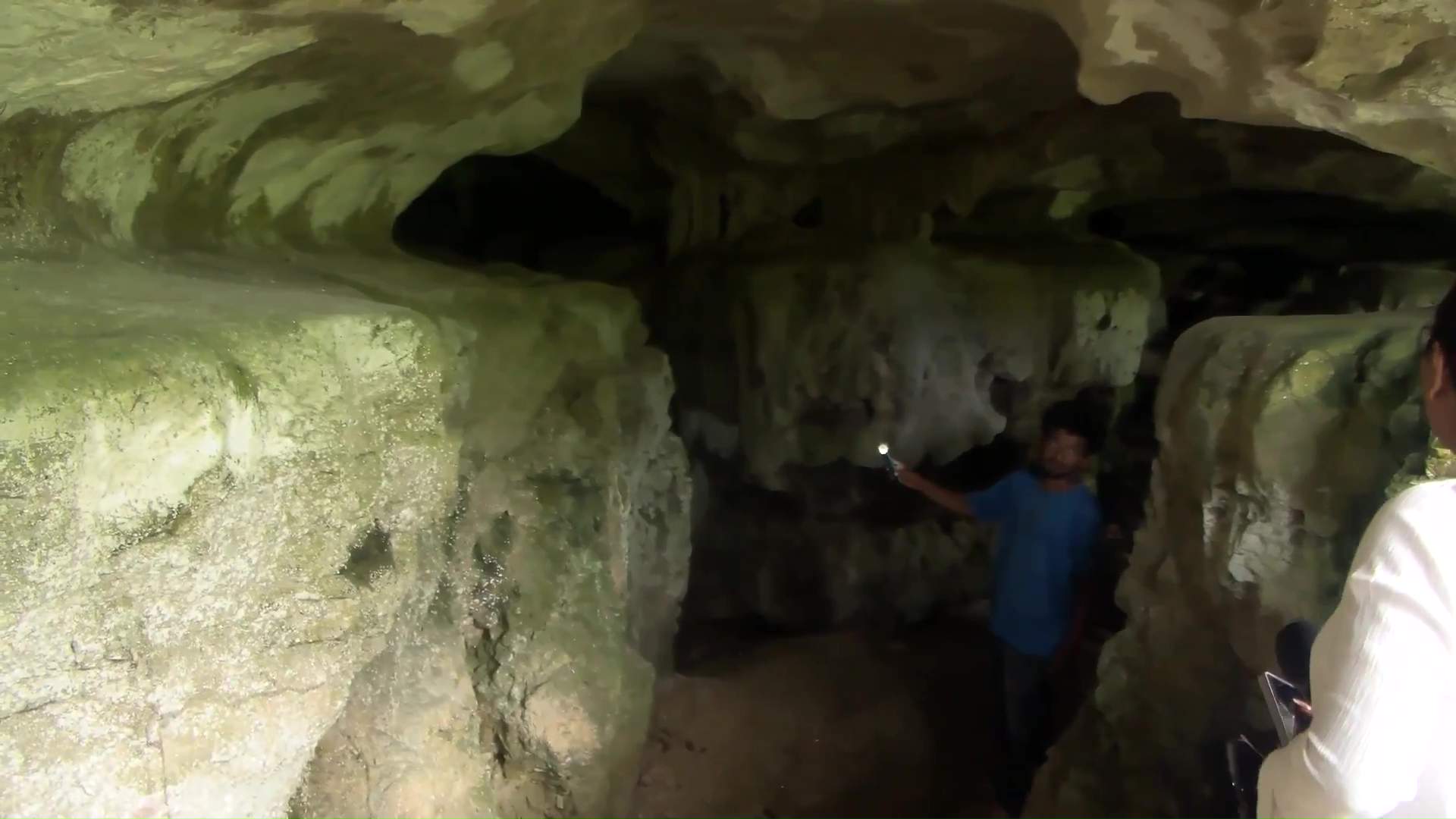
The controversy centers on a contested property that includes a cave system, which government officials believe should fall under the jurisdiction of the National Institute of Culture and History (NICH). According to Alfredo Trejo, the son of the elderly resident, Ferguson has repeatedly dispatched workers to threaten his father and demand their relocation from land the family has cultivated for decades.
“My father is genuinely terrified now,” Alfredo Trejo stated during a phone interview. “He has nobody there for protection except my younger brother. It’s incredibly frustrating to see videos of Minister Ferguson, who should be helping us, acting against our interests.”
The Trejo family maintains they have invested thousands of dollars developing the land over multiple generations, establishing plantations and various tree crops since Alfredo’s childhood. They question the sudden governmental interest in the cave, suggesting Ferguson’s motivations may be personally motivated rather than for public benefit.
However, Area Representative Ferguson presents a markedly different narrative. He describes a years-long effort to legally relocate the family from what he identifies as government property. Ferguson claims Samuel Trejo, Miguel’s son, previously agreed to relocation terms that included receiving a new titled property in exchange for vacating the contested land.
“There are two sides to this story,” Ferguson countered. “Samuel Trejo signed an agreement little over three weeks ago, and we personally moved his house to the new location. He is very happy because he now owns something legally.”
Ferguson asserts that after the successful relocation, the elder Trejo returned to the original property and began constructing new structures, complicating the resolution process. The area representative emphasized that NICH officials, including Dr. Badillo, have recognized the cave’s significant tourism potential and will conduct further assessments.
The government proposes establishing a cooperative management model where local residents would operate the cave tourism site in partnership with NICH, potentially creating economic opportunities for the community.
With both parties entrenched in their positions, the Trejo family prepares for potential further confrontations while awaiting NICH’s formal assessment that will ultimately determine the property’s fate.