A significant diplomatic dispute has emerged between Caribbean leaders regarding the 2022 apprehension of a Trinidadian national in Barbados. The controversy erupted during the Caribbean Community (CARICOM) summit in St. Kitts when Trinidad and Tobago’s Prime Minister Kamla Persad-Bissessar characterized the incident as a coordinated “kidnapping” involving regional security assets.
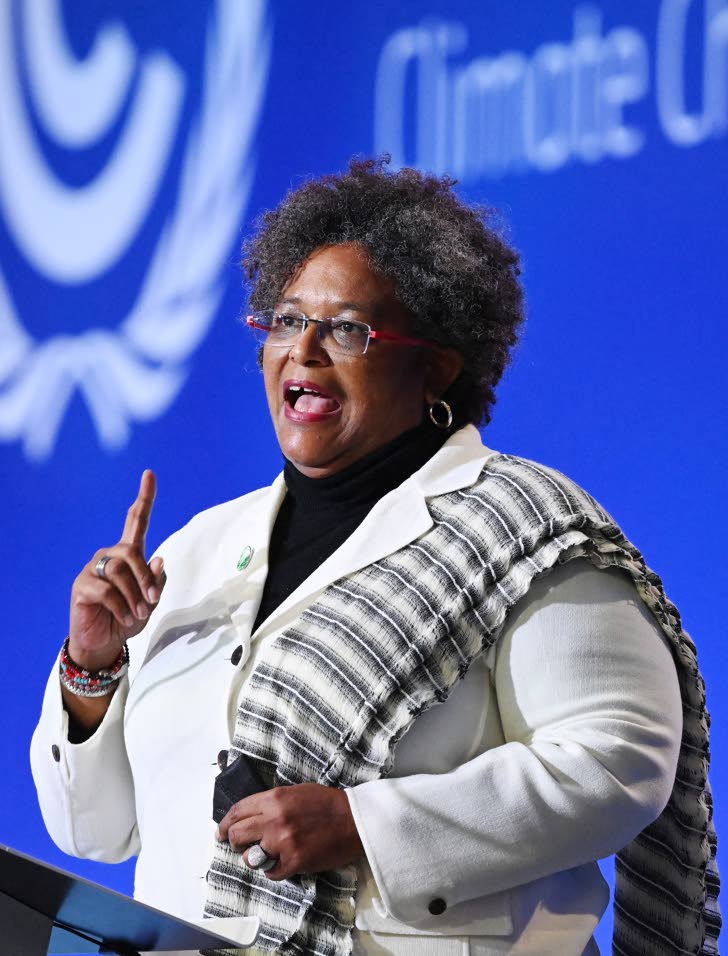
Barbadian Prime Minister Mia Mottley issued a forceful rebuttal, denouncing these claims as “a scurrilous lie and defamatory in the extreme” during a national television address. Mottley clarified that the operation followed established regional protocols where Trinidadian authorities presented arrest warrants to Barbadian police, who then executed the apprehension independently without government involvement.
The incident centers on Brent Thomas, who was detained at a Barbados hotel and transported to Trinidad without formal extradition proceedings. A Trinidadian High Court later ruled the operation an “unlawful abduction,” resulting in both governments accepting liability for constitutional breaches.
Mottley acknowledged the case highlighted systemic deficiencies in regional judicial cooperation, noting that the informal warrant execution practice demonstrated the urgent need for legislative reform. She emphasized Barbados’s commitment to the CARICOM Arrest Warrant Treaty, which requires domestic legislation in each member state to become operational.
While Guyana, St. Lucia, and Antigua and Barbuda have implemented the necessary laws, Trinidad and Tobago has ratified but not yet enacted domestic legislation. Persad-Bissessar subsequently responded that she took no offence at Mottley’s statements, characterizing them as a clear explanation of Barbados’s position regarding the Thomas case.