On Saturday, a devastating bomb blast ripped through a stretch of the Pan-American Highway in Colombia’s southwestern Cauca region, leaving at least 14 people dead and more than 38 others injured, five of whom are minors. The attack unfolded in the El Tunel area of Cajibio municipality, leaving a scene of chaos: destroyed civilian vehicles scattered across the roadway, debris littering the pavement, and emergency responders rushing to pull casualties from the wreckage, footage from the aftermath shows. Local and national leaders have swiftly condemned the attack as a deliberate act of violence against innocent civilians.
Cauca Governor Octavio Guzmán labeled the incident an “indiscriminate attack targeting the civilian population” and called on the national government to launch a decisive and sustained response to curb the rising violence. The bombing comes amid a sharp surge in clashes between illegal armed groups fighting to control lucrative drug trafficking routes leading to the key Pacific port of Buenaventura. Over just 48 hours before the blast, the region recorded at least 26 separate violent incidents, including drive-by shootings and a drone attack on a civilian radar installation.
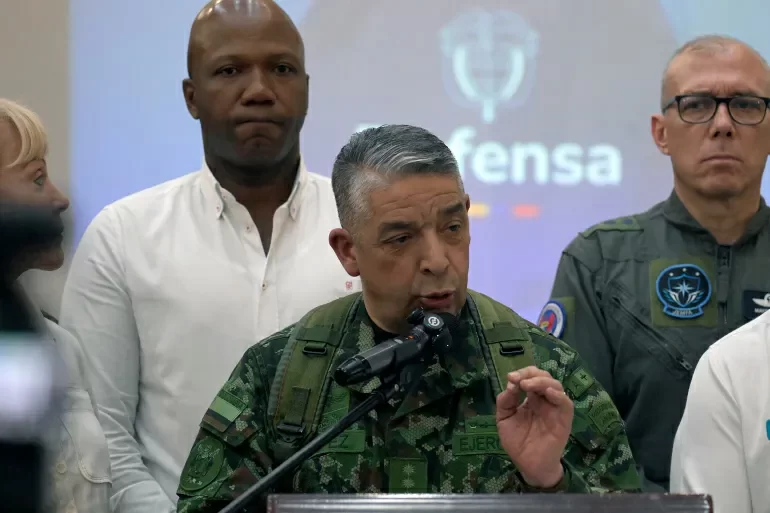
Colombian President Gustavo Petro did not mince words in blaming the attack, calling the perpetrators “terrorists, fascists, and drug traffickers.” Defense Minister Pedro Sánchez, who was attending a security meeting in nearby Palmira when the explosion occurred, pledged immediate and forceful action against those responsible. “These criminals seek to sow terror among our population, but we will respond with unwavering resolve,” Sánchez stated.
Colombian security officials have pointed to dissident factions of the former FARC guerrilla group as the primary suspects behind the wave of attacks, specifically identifying a network led by fugitive commander known as “Ivan Mordisco” and the Jaime Martínez faction as the responsible parties. Authorities have offered a reward of more than 1 million dollars for any information that leads to the arrest or capture of these key leaders.
Francisca Toro, governor of the neighboring Valle del Cauca department, has also called on the national government to immediately deploy additional security forces to the region and step up intelligence operations to rein in the escalating terrorist activity. The Cauca region remains a strategically critical corridor for drug traffickers moving cocaine out of Colombia to consumer markets in Central America and Europe, and the ongoing power struggle between competing armed groups has kept the area in a state of persistent crisis, with civilians increasingly caught in the crossfire.