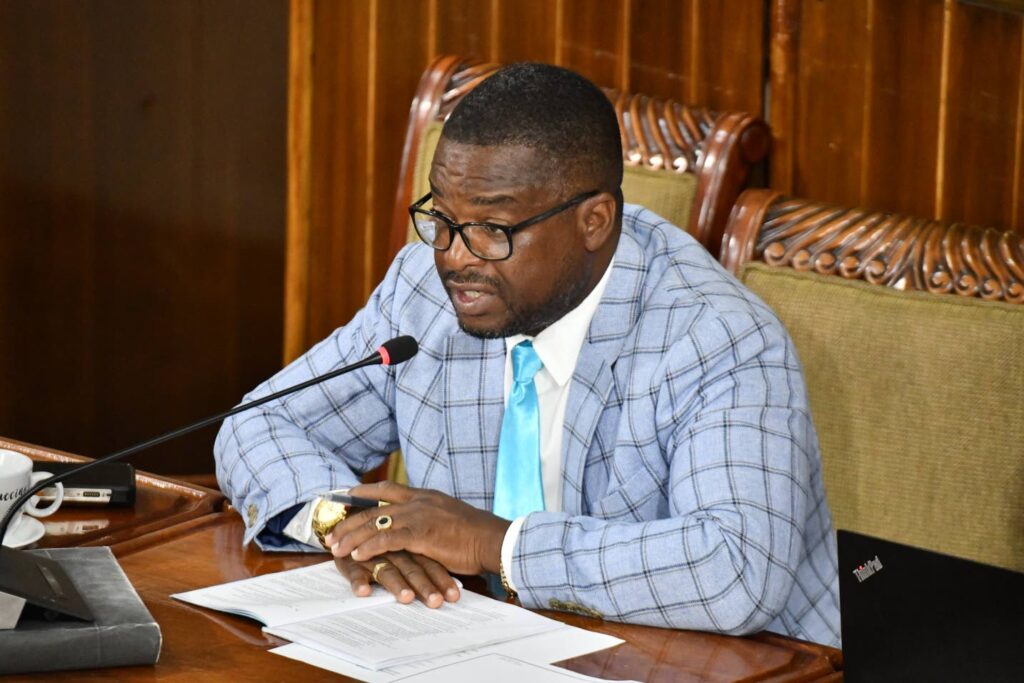
A contentious dispute over procedural boundaries and parliamentary decorum disrupted Wednesday’s session of Jamaica’s Public Administration and Appropriations Committee (PAAC), exposing deep divisions regarding the committee’s oversight authority. The confrontation emerged when Opposition members confronted Government MP Heroy Clarke of St James Central over his persistent interruptions during questioning of state entity representatives. The committee had convened specifically to review the National Water Commission’s recovery operations following Hurricane Melissa, but proceedings quickly devolved into a heated debate about the very nature of the PAAC’s constitutional role. Opposition parliamentarians accused Clarke of systematically undermining their legitimate oversight function by repeatedly challenging questions he deemed outside the committee’s purview. Clarke defended his interventions as necessary to maintain discipline and fairness, arguing that extended questioning by individual members could marginalize others and that infrastructure discussions properly belonged to other committees. The debate revealed fundamental disagreements about interpretation of the PAAC’s mandate, with St Mary Central MP Omar Newell citing specific constitutional provisions that authorize broad examination of government efficiency and administration. Newell called for a reset in committee conduct, emphasizing that “we can’t just bully and shout out to get our own way” and that disagreements should be resolved through proper points of order rather than loud interruptions. St James Southern MP Nekeisha Burchell countered Clarke’s position by asserting that public assets and performance—including infrastructure—fall squarely within the PAAC’s responsibility to ensure value for public expenditure. Committee Chairman Peter Bunting intervened to remind members of their shared objective to serve Jamaican citizens regardless of political affiliation, while subtly referencing Clarke’s former role as Deputy Speaker to underscore expectations of decorum. The exchange highlighted ongoing tensions between government and opposition members regarding parliamentary oversight mechanisms and the appropriate boundaries of committee authority in examining state administration.