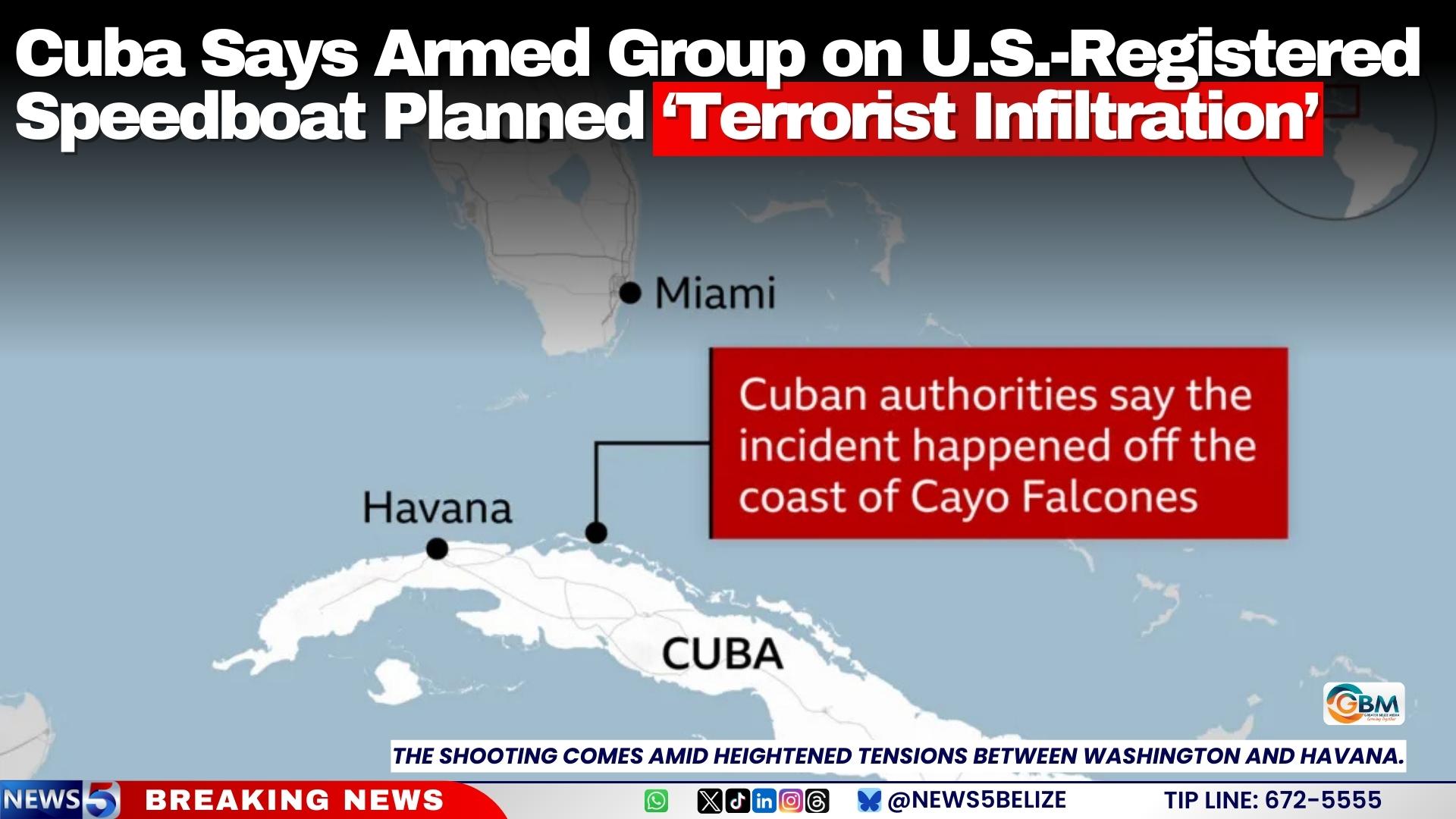
A significant maritime incident has intensified diplomatic strains between the United States and Cuba, following Havana’s announcement that its border forces intercepted and engaged an armed vessel registered in Florida. Cuban authorities reported four fatalities and six injuries during the confrontation that occurred Wednesday in territorial waters near Cayo Falcones.
According to Cuba’s Interior Ministry, the high-speed boat entered Cuban maritime territory approximately one nautical mile offshore before being intercepted. Officials claim the occupants initiated gunfire, wounding one Cuban officer and triggering an exchange of fire. The ministry identified the ten individuals aboard as Cuban expatriates residing in the United States, alleging they were executing “a terrorist infiltration mission.”
Weapons confiscated from the vessel reportedly included assault rifles, handguns, improvised explosive devices, and specialized tactical equipment. Cuban officials stated that an additional suspect has been apprehended and has provided confessions regarding the alleged plot.
President Miguel Díaz-Canel, currently attending regional meetings in St. Kitts and Nevis, declared Cuba’s resolve to “defend with determination and firmness against any terrorist and mercenary aggression targeting national sovereignty and stability.”
The incident occurs amidst already heightened tensions between the neighboring nations. Recent weeks have seen U.S. forces capture Venezuelan leader Nicolás Maduro—a crucial Cuban ally—and implement oil shipment blockades from Venezuela to Cuba, exacerbating the island’s severe fuel crisis.
U.S. Secretary of State Marco Rubio, speaking from the Caribbean meetings, characterized the event as “highly unusual” and committed to conducting an independent investigation rather than relying solely on Havana’s account. Rubio confirmed the vessel carried no U.S. government personnel and emphasized Washington’s intention to determine the purpose of the boat’s presence in Cuban waters.
The Cuban-American diplomat, whose parents emigrated from Cuba, reiterated his criticism of Havana’s communist government, stating that “Cuba’s status quo is unacceptable” and demanding “dramatic reforms” toward economic and political liberalization.
In a contrasting development, the U.S. Treasury Department announced limited easing of restrictions on certain private-sector transactions, including some oil sales, aimed at supporting Cuban citizens for commercial and humanitarian purposes, signaling the complex nature of bilateral relations.