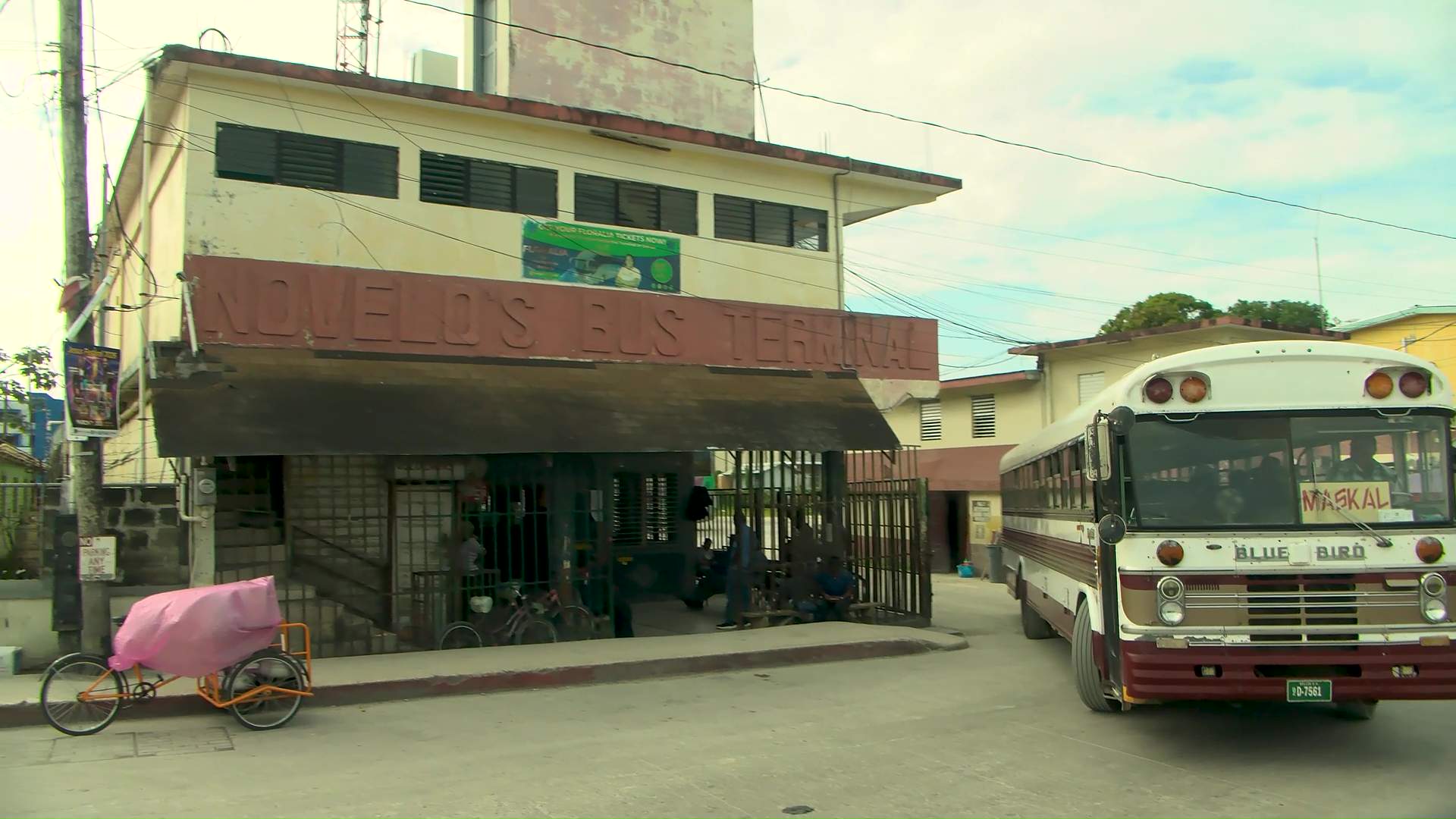
The Belizean government’s ambitious plan to consolidate various bus companies into a single National Bus Company has encountered significant resistance from terminal workers and labor unions, creating unexpected turbulence before the system’s official launch scheduled for March 1st.
According to the Public Service Union, terminal employees responsible for maintaining the country’s bus hubs have received alarming notifications regarding their job security. PSU President Dean Flowers asserts that workers were warned to submit resignations by Friday, immediately triggering widespread concern throughout the labor movement. The union contends that public officers are being pressured to sacrifice their livelihoods for a restructuring initiative in which they had no participatory role.
The Ministry of Transport has vehemently denied these allegations. In an official statement, the ministry rejected claims that any resignation orders were issued, emphasizing that no such directive exists and that the transition must strictly adhere to Belizean law. Transport CEO Chester Williams clarified that terminal workers were presented with available options during meetings, not ultimatums.
Government officials revealed a proposed four-month transition period designed to manage the organizational shift responsibly. Williams emphasized that the National Bus Company will require employees at terminals and indicated that current workers would be brought onboard with the new company during this transitional phase. Those who don’t meet employment criteria would receive settlement considerations.
Despite government assurances, transparency and timing concerns persist among employees who claim they are only now learning how the changes will affect their positions. This has intensified union pushback and increased public scrutiny of the rollout process.
Concurrently, the government is moving forward with substantial infrastructure investments, including a $2 million allocation for overhauling the Belize City terminal and $700,000 for upgrades already underway in Belmopan. Williams characterized these improvements as extensive repairs and retrofitting rather than temporary fixes, noting that the enhancements will raise safety standards and increase government equity in the new national system.
The upgraded facilities, described as comfortable and transformed spaces, represent a long-term commitment to creating safer, more appealing terminals within the national transit framework. As the March launch date approaches, the success of the National Bus Company initiative may depend on resolving both the infrastructure challenges and the human resource concerns that have emerged during this critical transition period.