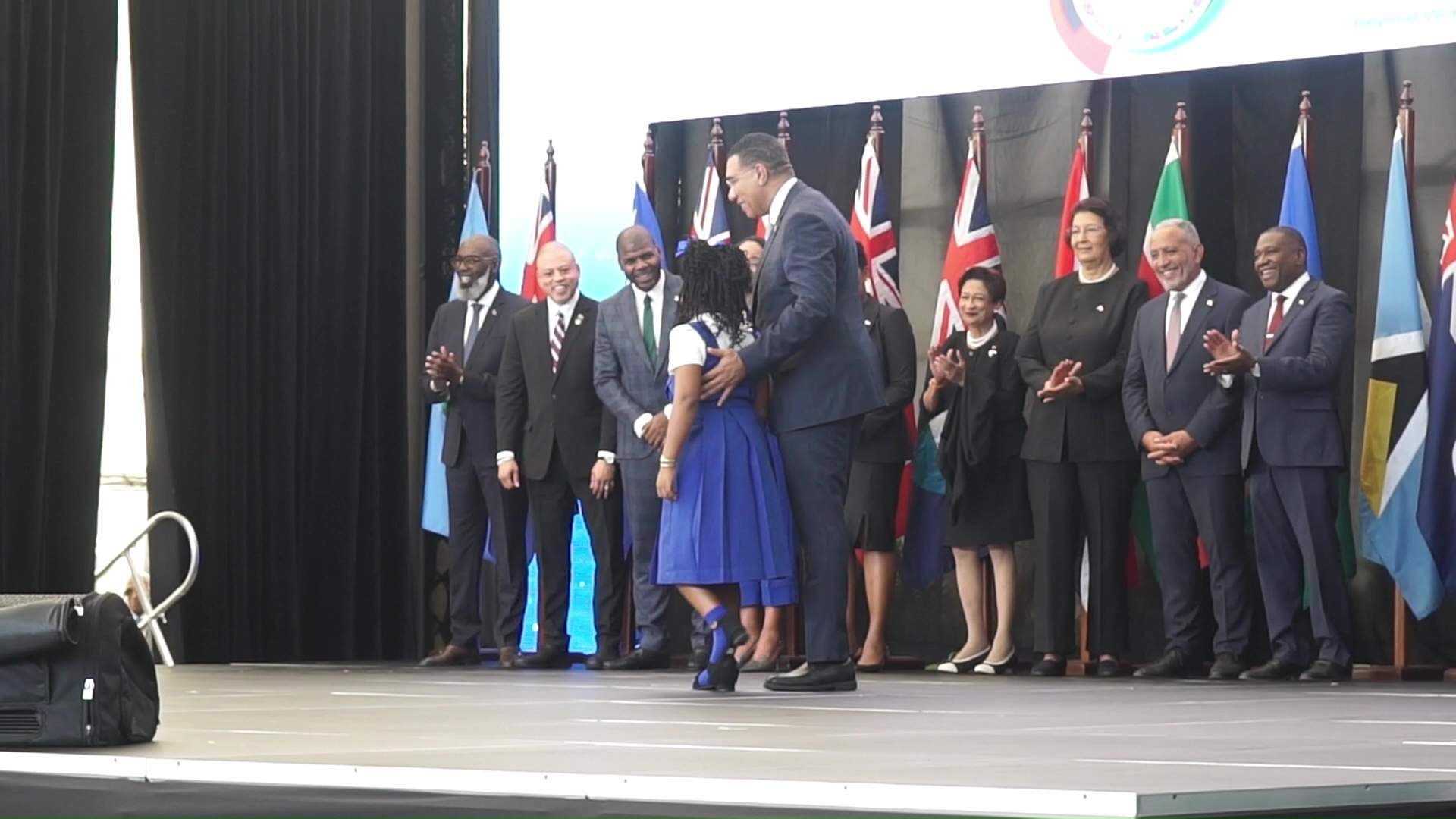
KINGSTON, JAMAICA – As Caribbean Community (CARICOM) leaders convened for their pivotal regional summit on February 25, 2026, Jamaican Prime Minister Andrew Holness delivered a foundational clarification regarding the bloc’s fundamental nature. Before high-stakes diplomatic engagements with U.S. Secretary of State Marco Rubio commenced, Holness emphatically articulated that CARICOM constitutes an economic collaborative framework rather than a supranational political entity.
The Prime Minister’s preemptive remarks served to delineate clear boundaries for upcoming negotiations, underscoring that the treaty binding the fifteen member states explicitly preserves national sovereignty in foreign policy formulation. This constitutional characteristic prevents any centralized authority from overriding individual nations’ autonomous decision-making processes.
Holness’s strategic positioning arrives amid intensifying geopolitical interest in the Caribbean region, particularly from major global powers seeking coordinated policy alignment. His statement effectively establishes that while CARICOM fosters economic integration and collaborative governance, member states maintain complete discretion over their international affiliations and diplomatic stances.
The timing of this sovereignty declaration proves particularly significant as Caribbean leaders prepare for discussions with the United States’ top diplomat. This articulation of CARICOM’s structural limitations provides crucial context for understanding the bloc’s negotiation capacity and collective decision-making processes during these consequential bilateral talks.
Analysts suggest Holness’s intervention reflects broader regional efforts to balance cooperative advantages with national autonomy, especially when engaging with major international partners. This positioning ensures CARICOM’s diverse membership can pursue mutually beneficial agreements without compromising individual nations’ sovereign prerogatives.