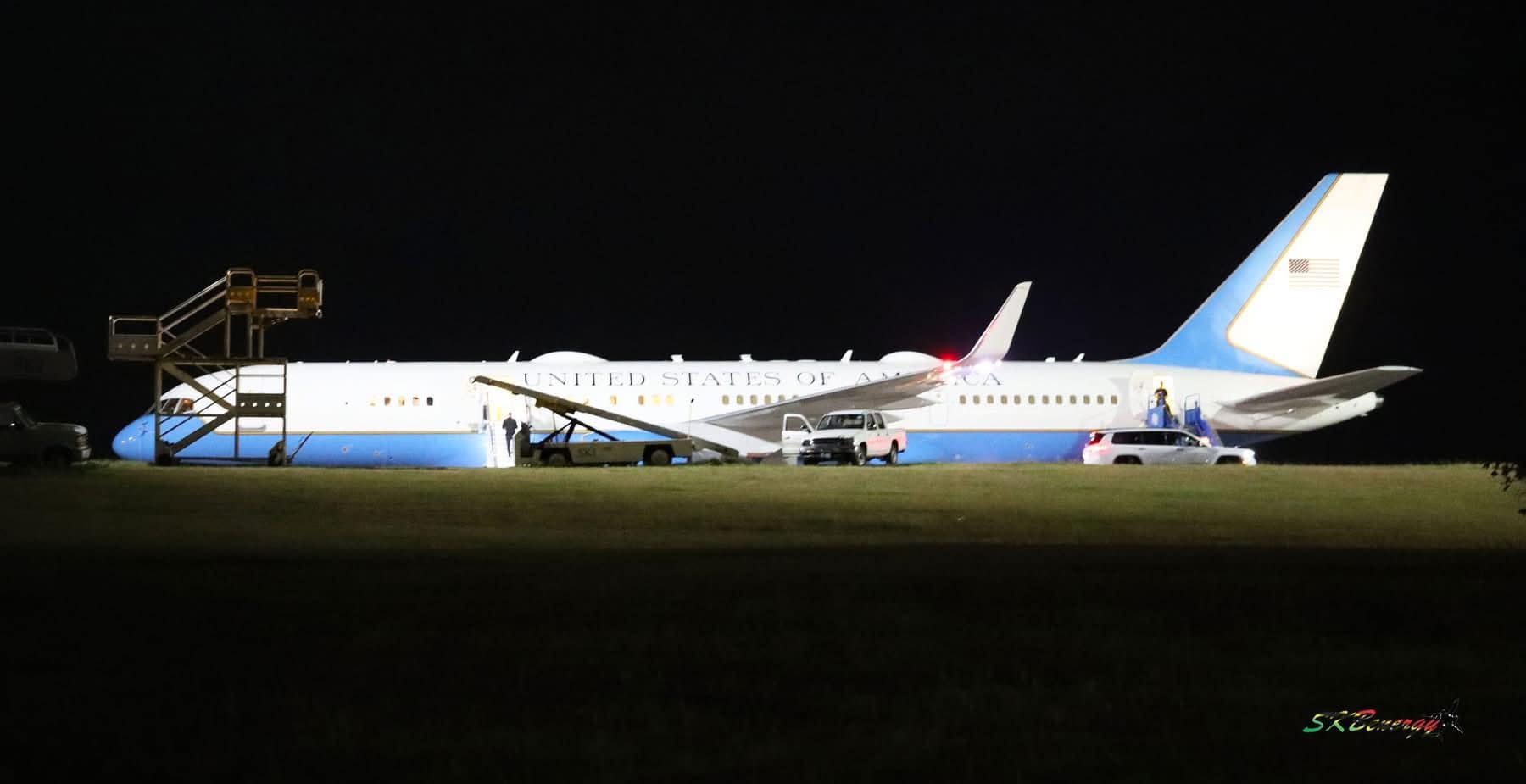
U.S. Secretary of State Marco Rubio arrived in St. Kitts and Nevis on Wednesday for high-stakes discussions with Caribbean Community (CARICOM) leaders, who are expressing deep unease over the Trump administration’s recent foreign policy maneuvers in the region. The diplomatic engagement follows a series of aggressive actions, including the military operation that captured Venezuela’s former leader Nicolás Maduro on drug trafficking charges, intensified counter-narcotics tactics, and increased pressure on Cuba.
CARICOM leaders, representing the 15-nation bloc, are convening amid what St. Vincent and the Grenadines Prime Minister Godwin Friday described as ‘challenging times from inside and out.’ The gathering occurs against the backdrop of what President Trump has framed as a restoration of ‘American security and dominance in the Western Hemisphere’ through a modern interpretation of the Monroe Doctrine.
Regional concerns extend beyond Venezuela to include U.S. demands that Caribbean nations accept third-country deportees, reject Cuban medical missions, and reconsider relationships with China. St. Kitts and Nevis Prime Minister Terrance Drew, serving as CARICOM chair, emphasized that the region ‘stands at a decisive hour’ with global order shifting, supply chains uncertain, and climate shocks intensifying.
Jamaican Prime Minister Andrew Holness highlighted the particular urgency of Cuba’s humanitarian situation, warning that ‘a prolonged crisis in Cuba will not remain confined to Cuba’ but would affect migration, security, and economic stability throughout the Caribbean basin. He called for constructive dialogue between Cuba and the U.S. aimed at de-escalation and stability.
While Trinidad and Tobago’s Prime Minister Kamla Persad-Bissessar praised U.S. counter-narcotics operations that have killed at least 151 people in drug interdiction strikes since September, other leaders emphasized the need for mutual respect and rules-based international order. Bahamian Foreign Minister Fred Mitchell stated expectations for ‘full discussion on the nature of the relationship with the U.S.’ during the meetings.
The summit will also address broader regional issues including security, reparations, climate change financing, and economic integration, even as Cuba’s deteriorating situation—exacerbated by the U.S. embargo that hinders hurricane recovery efforts—dominates the agenda.