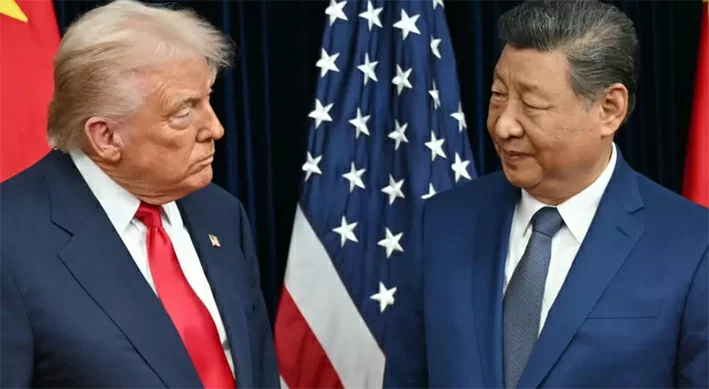
In a landmark decision with global trade implications, the US Supreme Court has struck down significant portions of former President Donald Trump’s unilateral tariff policies, prompting China to demand complete elimination of the remaining trade barriers. The 6-3 ruling determined that Trump exceeded his statutory authority when imposing tariffs under a 1977 trade law, dealing a substantial political blow to his controversial trade agenda that disrupted international commerce.
China’s Commerce Ministry announced it is conducting a comprehensive assessment of the ruling’s consequences while formally urging Washington to abolish all remaining tariffs. “There are no victors in trade conflicts, and protectionism leads nowhere,” the ministry stated, emphasizing the mutual damage caused by trade wars.
The development comes as the US prepared to implement new 15% global import levies this Tuesday, measures designed to remain effective for up to 150 days with certain product exemptions. China’s Foreign Ministry indicated it would vigilantly monitor potential alternative American measures, including trade investigations that might circumvent the court’s decision. “China will resolutely defend its interests,” a spokesperson affirmed.
International responses have been measured yet concerned. The European Union stressed the importance of predictable and fair trade rules, with a European Commission spokesperson noting: “We are monitoring developments closely and remain committed to an open, equitable trading system beneficial to all parties.”
Japan, a key trade partner to both nations, warned of possible further escalation. Canada, similarly affected by US tariffs, advocated for constructive dialogue through multilateral forums. The World Trade Organization reiterated the critical importance of maintaining stable, rules-based international trade frameworks.
The ruling represents a pivotal moment in global trade politics, where judicial oversight, political interests, and economic strategies intersect. The coming months will prove crucial in determining the direction of world trade amid rising protectionist tendencies.