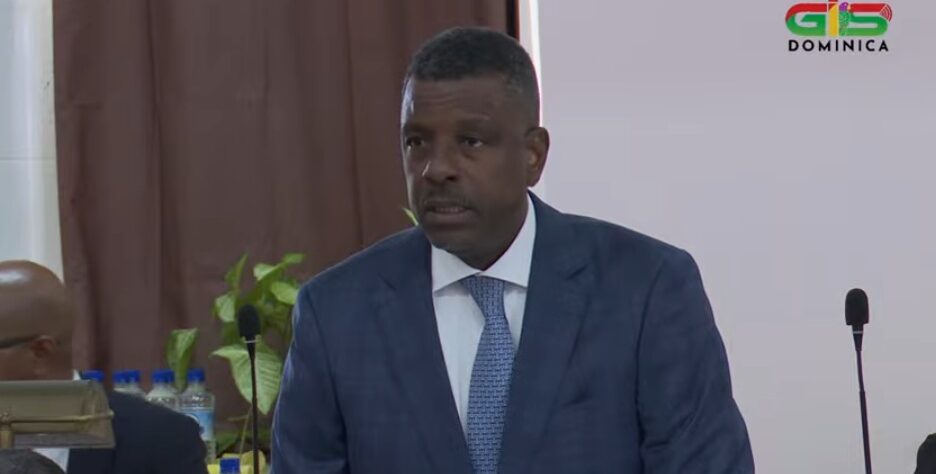
The Eastern Caribbean Currency Union is poised to establish a comprehensive regulatory framework for payment services with the introduction of the Payment System and Services Bill 2026. Dr. Vince Henderson, Minister for Foreign Affairs, International Business, Trade and Energy, praised both Finance Minister Dr. Irving McIntyre and the Eastern Caribbean Central Bank (ECCB) for presenting the groundbreaking legislation to Parliament on Monday.
The bill represents a significant milestone in financial regulation, creating a structured licensing system for payment service providers while expanding oversight mechanisms and enhancing consumer protection protocols across member states. During parliamentary proceedings, Dr. Henderson emphasized the urgent need for such regulation, noting the region has witnessed both the emergence and instability of money transfer systems.
“This legislative action comes at a crucial time,” Henderson stated. “Our primary objective is to establish regulatory safeguards that protect consumers and their hard-earned money as we transition toward an increasingly cashless society.”
The minister articulated a dual-focused approach: implementing necessary consumer protections while actively fostering innovation within the financial technology sector. He highlighted the importance of developing indigenous payment solutions that reduce dependency on international corporations like Visa, MasterCard, and American Express, thereby minimizing transaction fees for local businesses and consumers.
Henderson specifically advocated for creating regionally developed money transfer systems and mobile banking platforms that would keep financial benefits within the Eastern Caribbean economic zone. “We must evolve from mere technology consumers to becoming creators and innovators,” he asserted. “This means developing our own properly regulated financial services that attract both local and international investment while generating employment opportunities.”
The minister further connected digital financial infrastructure to energy security, noting that reliable electricity is fundamental to electronic payment systems. He drew attention to ongoing state investments in energy projects as essential components of national development strategy, all ultimately directed toward improving living standards and creating economic opportunities for citizens.
This legislative initiative marks a coordinated effort to modernize financial services while ensuring economic benefits remain within the Eastern Caribbean community, representing a significant step toward financial sovereignty and technological self-reliance in the region.