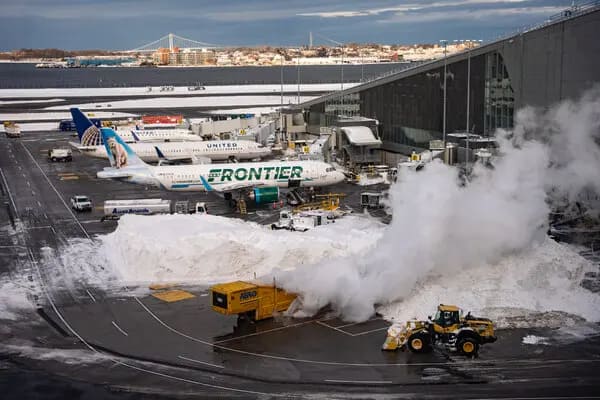
A formidable winter storm has unleashed its fury across the northeastern United States, triggering widespread disruption and prompting severe emergency measures. In an unprecedented move, New York City authorities have imposed a mandatory travel ban, effectively grounding all non-essential vehicles to safeguard public safety.
The tempest, characterized by blinding blizzard conditions and hurricane-force wind gusts, has precipitated a near-total shutdown of metropolitan transit systems. Air travel has been thrown into chaos, with thousands of flights canceled at major hubs including JFK, LaGuardia, and Newark airports. The severity of the conditions has rendered roadways impassable, leading to the closure of critical infrastructure and posing significant hazards to emergency response operations.
Meteorological reports indicate the storm system is generating historically low barometric pressures, rivaling the intensity of a major hurricane. This has resulted in rapid snow accumulation rates exceeding two inches per hour in some regions, combined with coastal flooding threats due to accompanying storm surges. Utility companies are reporting escalating power outages as heavy, wet snow and powerful winds bring down power lines across multiple states.
State governments from New York to Maine have declared states of emergency, mobilizing National Guard units for rescue and recovery missions. Residents are being urged to shelter in place as emergency services struggle to respond to calls amidst whiteout conditions. The storm’s timing during a holiday period has amplified its disruptive impact, stranding travelers and overwhelming municipal resources.
This extreme weather event underscores growing concerns about climate volatility and its effects on urban infrastructure in northern population centers. The coordinated regional response represents one of the most comprehensive winter weather emergency actions in recent history.