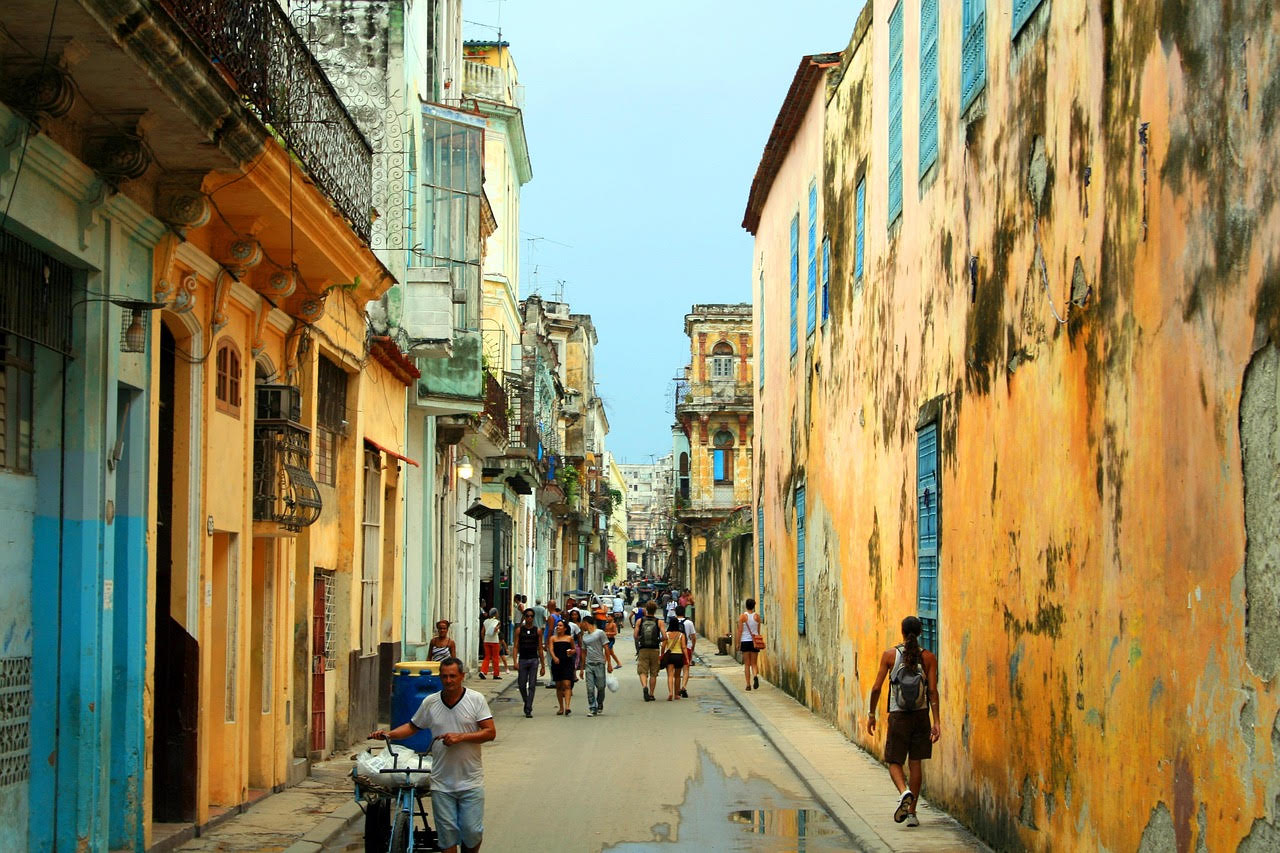
Saint Lucian medical students pursuing education in Cuba find themselves at the center of a growing geopolitical crisis as intensified US sanctions create severe infrastructure challenges on the island nation. The tightened embargo has exacerbated fuel shortages, leading to prolonged power outages exceeding 16 hours daily and crippling public transportation systems.
Multiple students speaking anonymously to St Lucia Times describe an environment of heightened anxiety as they witness Cuba’s deteriorating conditions firsthand. Educational institutions have transitioned to virtual learning while healthcare professionals struggle with transportation barriers. The situation has created visible socioeconomic divisions between those with resources to mitigate the hardships and those without.
More than 50 Saint Lucian students currently study in Cuba through government scholarships, with their future now hanging in the balance. Education Minister Kenson Casimir confirmed during a February Cabinet briefing that contingency and evacuation plans have been developed, including potential transfers to alternative institutions such as the University of the West Indies, Ross University, and St George’s University.
Students express primary concerns regarding scholarship security, degree completion possibilities, and international recognition of Cuban medical qualifications. While Saint Lucian officials have committed to recognizing degrees obtained in Cuba, they acknowledge that other jurisdictions might not extend similar recognition.
Cuban Ambassador Yenielys Vilma Regueiferos Linares addressed the energy crisis, noting that power outages have significantly impacted food production, water distribution, healthcare services, and education. She detailed Cuba’s ongoing transition toward renewable energy, including installation of 40 photovoltaic parks and distribution of thousands of solar systems to critical facilities and vulnerable communities.
Prime Minister Philip J. Pierre acknowledged that both the medical scholarship program and Cuba’s medical brigade in Saint Lucia face potential risks, though he emphasized there is “no imminent withdrawal” of students currently. Meanwhile, self-funded medical specialists express additional concerns about Saint Lucia’s healthcare sustainability should Cuban-trained doctors become unavailable to offset migrating local physicians.
The situation remains fluid, with students reporting widespread panic despite government reassurances. Many maintain hope that their educational investments will be preserved while calling for greater transparency regarding diplomatic decisions affecting their academic futures.