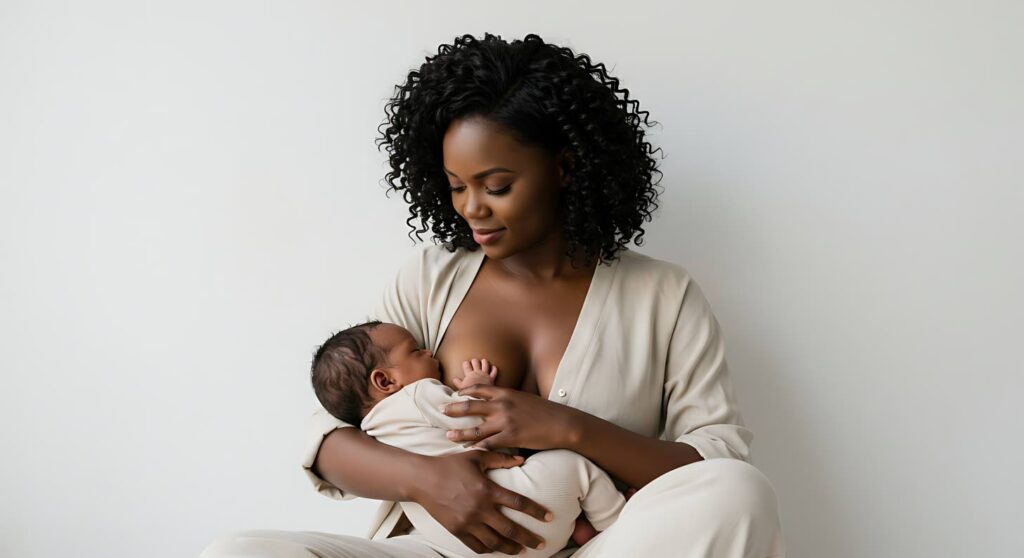
Jamaica’s Ministry of Health and Wellness has initiated a formal feasibility study for establishing the country’s first human milk bank facility. Health Minister Dr. Christopher Tufton confirmed to the Jamaica Observer that the Family Health Unit will examine the potential implementation of a donor milk program, possibly beginning with a pilot project in select communities.
The proposal gained momentum following advocacy from youth attorney Benyamin Cooke, who emphasized the critical health benefits of breast milk for infants whose mothers cannot breastfeed due to medical conditions including cancer treatments, premature births, or lactation difficulties. Cooke highlighted that while formula provides basic nutrition, it lacks the disease-fighting antibodies present in human milk.
Minister Tufton acknowledged the proposal requires careful consideration of Jamaica’s cultural landscape, noting that successful implementation would demand significant public education to address deeply ingrained biases. “There are predisposed biases against breast milk banks in our context,” Tufton stated, “but the concept of community involvement in child-rearing aligns with our historical traditions.”
Medical professionals expressed divided perspectives on the initiative. Jheanell Condappa, an 18-year veteran midwife supervisor, strongly endorsed the concept, noting that many mothers struggle with insufficient milk production and currently resort to formula. She referenced historical “wet nursing” practices as evidence of cultural precedent for milk sharing.
However, an anonymous midwife with equivalent experience questioned the necessity, estimating less than 2% of mothers encounter insurmountable breastfeeding challenges. She expressed skepticism about public acceptance, stating: “Some people are not going to opt for their baby to be taking someone else’s milk.”
The ministry’s Family Health Unit outlined rigorous safety protocols that would govern the potential program, including donor screening for HIV and Hepatitis, pasteurization to eliminate pathogens, and strict hygienic storage conditions. International data indicates that with proper education, most mothers become willing to donate or use donor milk.
Mothers interviewed revealed mixed perspectives. While some welcomed the alternative to formula, others expressed discomfort with the concept of using another woman’s milk. The global context shows over 700 milk banks operating across 60 countries, though no universal standards currently govern their operations.
The World Health Organization and UNICEF have endorsed donor milk as the preferred alternative when mother’s own milk is unavailable, particularly for vulnerable premature infants. The Jamaican health ministry’s exploration signals a growing recognition of both the medical benefits and cultural considerations surrounding human milk banking.