In a significant policy reversal, Venezuela’s acting president has enacted sweeping amnesty legislation that could result in the release of hundreds of politicians, activists, and legal professionals detained for political reasons. This move represents an implicit acknowledgment of what the government had denied for decades: the existence of political prisoners within its penal system.
The newly signed law, ratified on Thursday, effectively overturns years of official denial and marks another strategic shift by the administration following the January 3rd military incursion by American forces in Caracas and the subsequent abduction of President Nicolás Maduro.
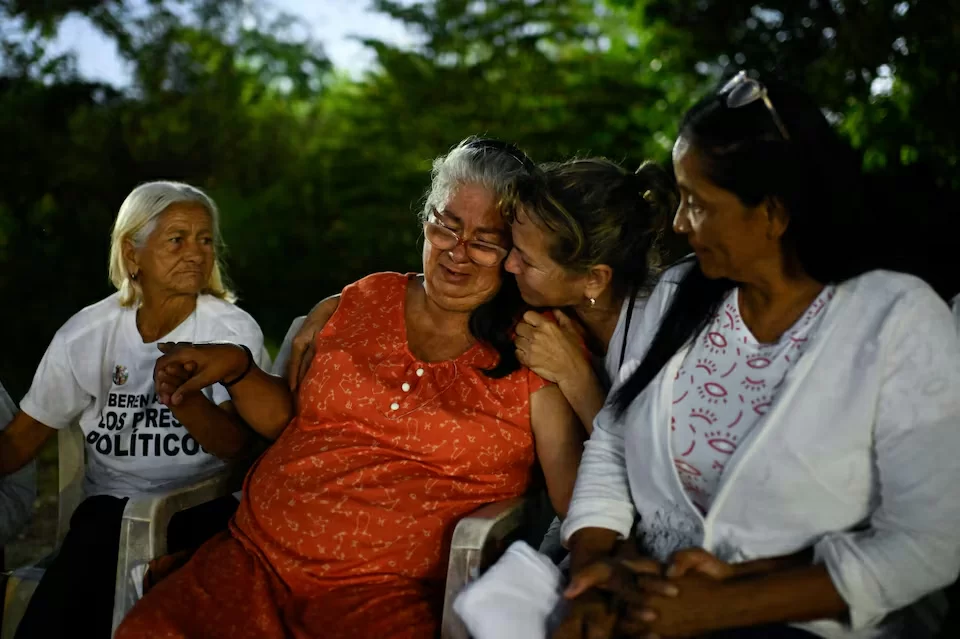
Under the provisions of this legislation, opposition figures, human rights defenders, journalists, and other individuals targeted by the ruling party over the past 27 years may qualify for release. However, families awaiting the freedom of their relatives express skepticism, noting that Acting President Delcy Rodríguez has previously failed to fulfill promises regarding prisoner releases. Many have maintained vigil outside detention centers for weeks.
According to the Venezuelan Prison Rights Organization Foro Penal, 448 releases have been documented since January 8, though estimates suggest over 600 individuals remain detained for political reasons.
The amnesty law covers involvement in political protests and “violent actions” occurring during the brief 2002 coup attempt, as well as during demonstrations or electoral processes during specific months dating back to 2004. While the legislation doesn’t explicitly specify which offenses qualify, earlier drafts included incitement to illegal activities, resistance to authorities, rebellion, and treason.
Notably excluded are those convicted of “military rebellion” for their involvement in 2019 events. The law also doesn’t provide for property restitution, reverse suspensions from public office imposed for political reasons, or lift sanctions against media outlets.
The opposition remains divided on the legislation. Nora Bracho, an opposition politician, described it during parliamentary debates as “imperfect but undoubtedly a major step forward for reconciliation in Venezuela.” Conversely, Pedro Urruchurtu, international relations director for opposition leader and Nobel laureate Maria Corina Machado, criticized the measure as “not just invalid and unlawful, but a trap to buy time and re-victimize the persecuted.”
Since Maduro’s abduction, U.S. President Donald Trump has praised Rodríguez while downplaying potential support for opposition forces. Rodríguez has made several concessions to the U.S., including halting oil deliveries to Cuba and supporting legislation to open the state oil industry to foreign companies. The United States has indicated it will monitor revenues from Venezuelan oil sales until a “representative government” is established.