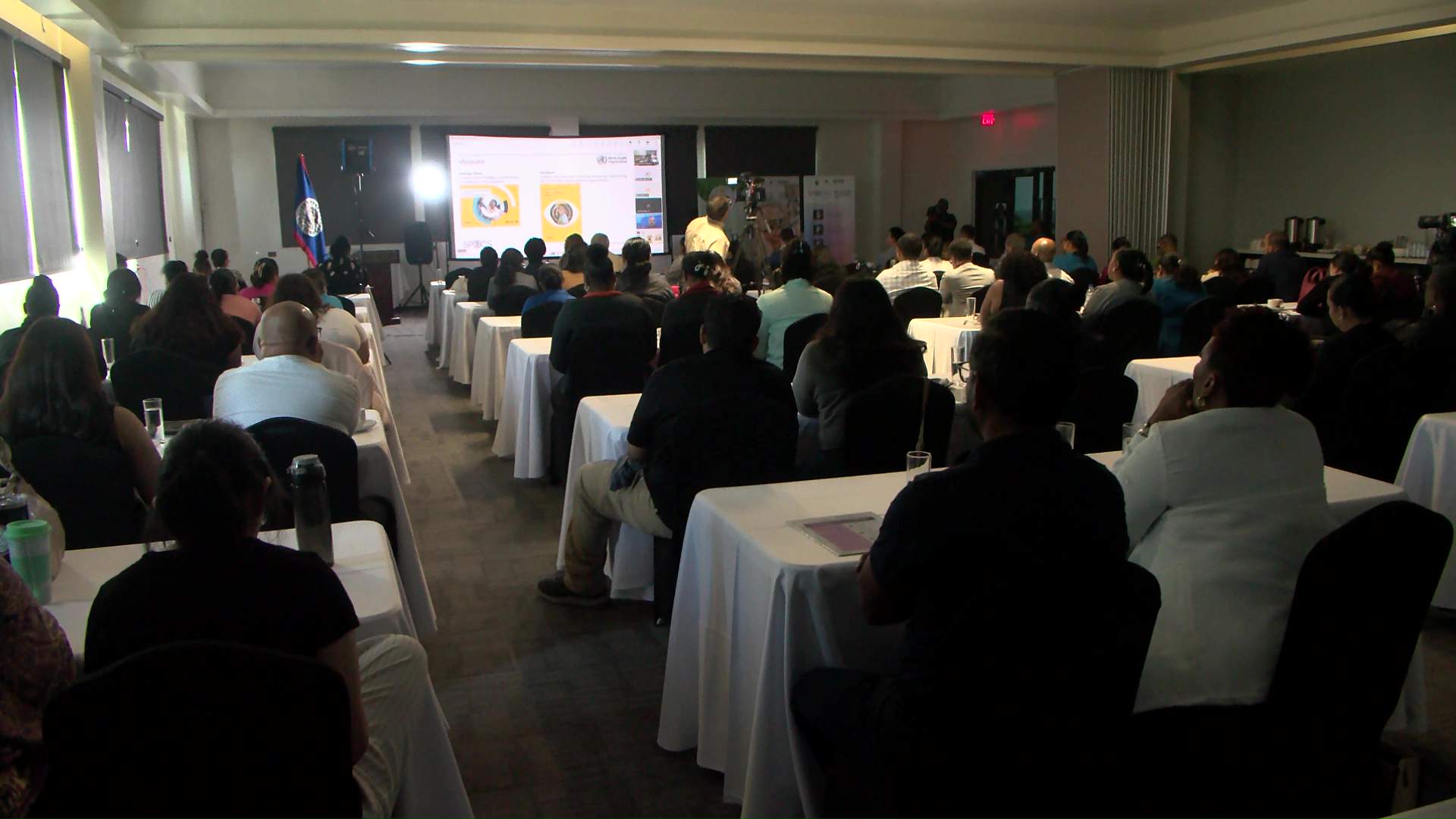
Belize has formally aligned with the World Health Organization’s ambitious Specs 2030 initiative, marking a transformative commitment to address the nation’s vision care challenges. The groundbreaking program, unveiled during a February 18th ceremony, represents a coordinated effort to tackle uncorrected refractive errors—the predominant cause of global vision impairment.
Dr. Melissa Diaz-Musa, Director of Public Health and Wellness, emphasized the initiative’s critical timing: “With approximately 2.2 billion people worldwide experiencing vision issues and one billion lacking access to testing and corrective glasses, this program addresses a fundamental healthcare disparity.”
The initiative operates through five strategic pillars: Services, Personnel, Education, Cost, and Surveillance. This multidimensional approach will enhance eye care delivery systems, develop professional training programs, implement public awareness campaigns, reduce financial barriers, and strengthen data collection mechanisms.
Carla Ayres-Musa, Executive Director of the Belize Council for the Visually Impaired (BCVI), outlined the collaborative nature of the endeavor: “This initiative creates a holistic, all-of-society approach uniting the Ministry of Health, BCVI, One Sight, Essilor Luxottica Foundation, and the Pan-American Health Organization.”
The program specifically targets a forty percent increase in glasses coverage within four years through expanded screening initiatives. Schools will become primary intervention points, identifying students who may require vision correction but lack access to ophthalmologists or optometrists.
Community outreach represents another crucial component, addressing cultural hesitancy around glasses adoption and emphasizing preventive eye care, particularly for aging populations. The initiative will also focus on human resource development, expanding beyond BCVI’s existing five clinics to deliver mobile services reaching remote communities.
This partnership signifies Belize’s commitment to ensuring equitable, affordable vision care for all citizens regardless of geographic location or economic status, potentially serving as a model for other low- and middle-income nations addressing similar healthcare challenges.