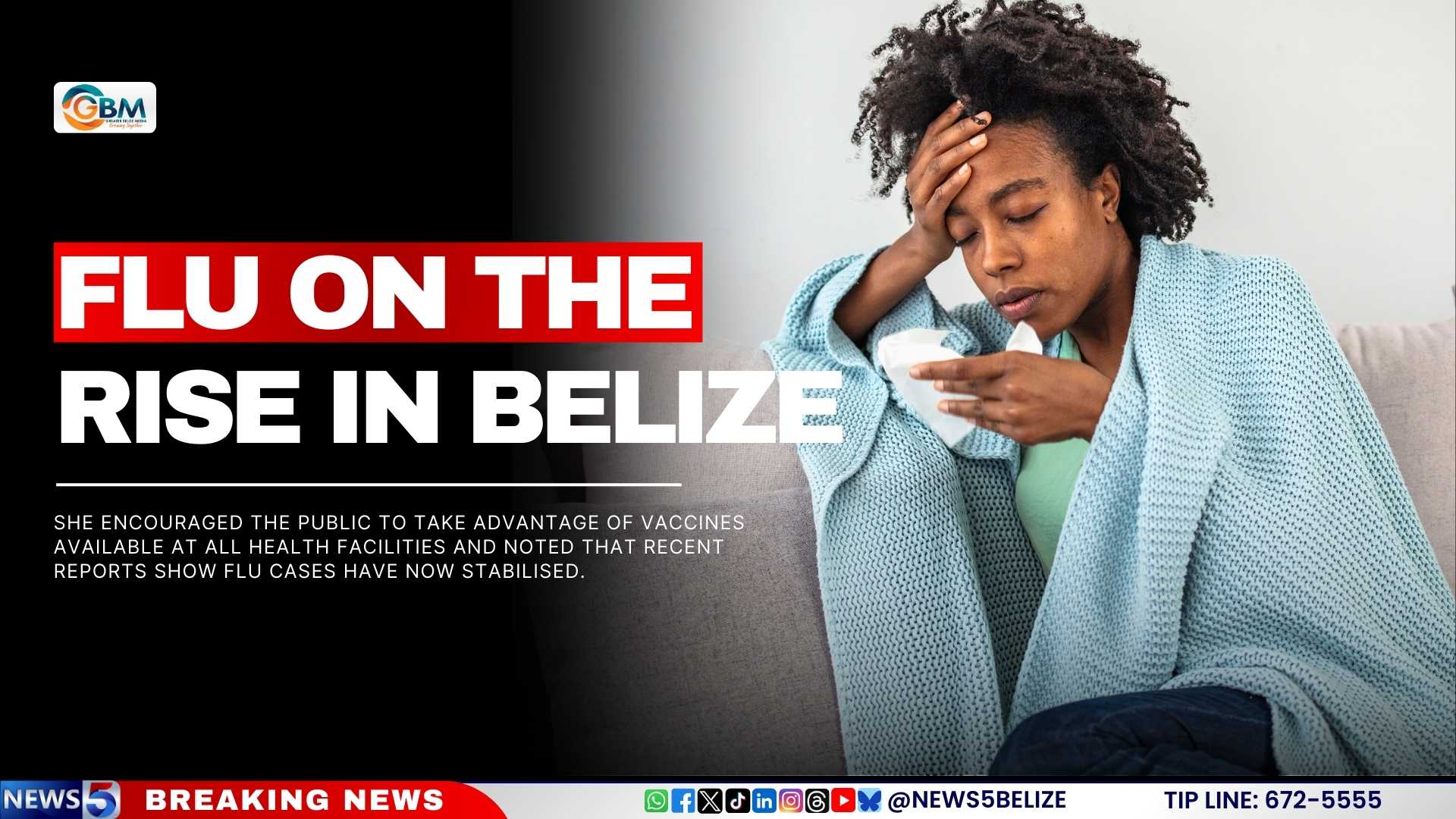
Belize’s public health authorities have reported a significant increase in influenza cases during January 2026, with officials identifying H2N3 as the predominant viral strain. Dr. Melissa Diaz-Musa, Director of Public Health and Wellness, confirmed the outbreak mirrors similar patterns observed in parts of the United States and Canada.
According to the latest epidemiological data, the initial surge has since stabilized following targeted public health interventions. Health facilities nationwide continue to offer influenza vaccines, which officials strongly recommend as the primary preventive measure against the circulating strain.
The briefing also addressed concerning trends in routine vaccination coverage that declined substantially in the post-pandemic period. Dr. Diaz-Musa highlighted the particular case of HPV vaccination, which initially plummeted to approximately 38% coverage following the COVID-19 crisis. This vaccine plays a critical role in preventing human papillomavirus, responsible for over 90% of cervical cancer cases globally.
In a positive development, vaccination rates have rebounded significantly. Current reports indicate HPV coverage reached 76% in 2025, marking substantial progress toward Belize’s national goal of cervical cancer elimination. Health authorities emphasize that maintaining high vaccination coverage remains essential for long-term disease prevention and public health security.