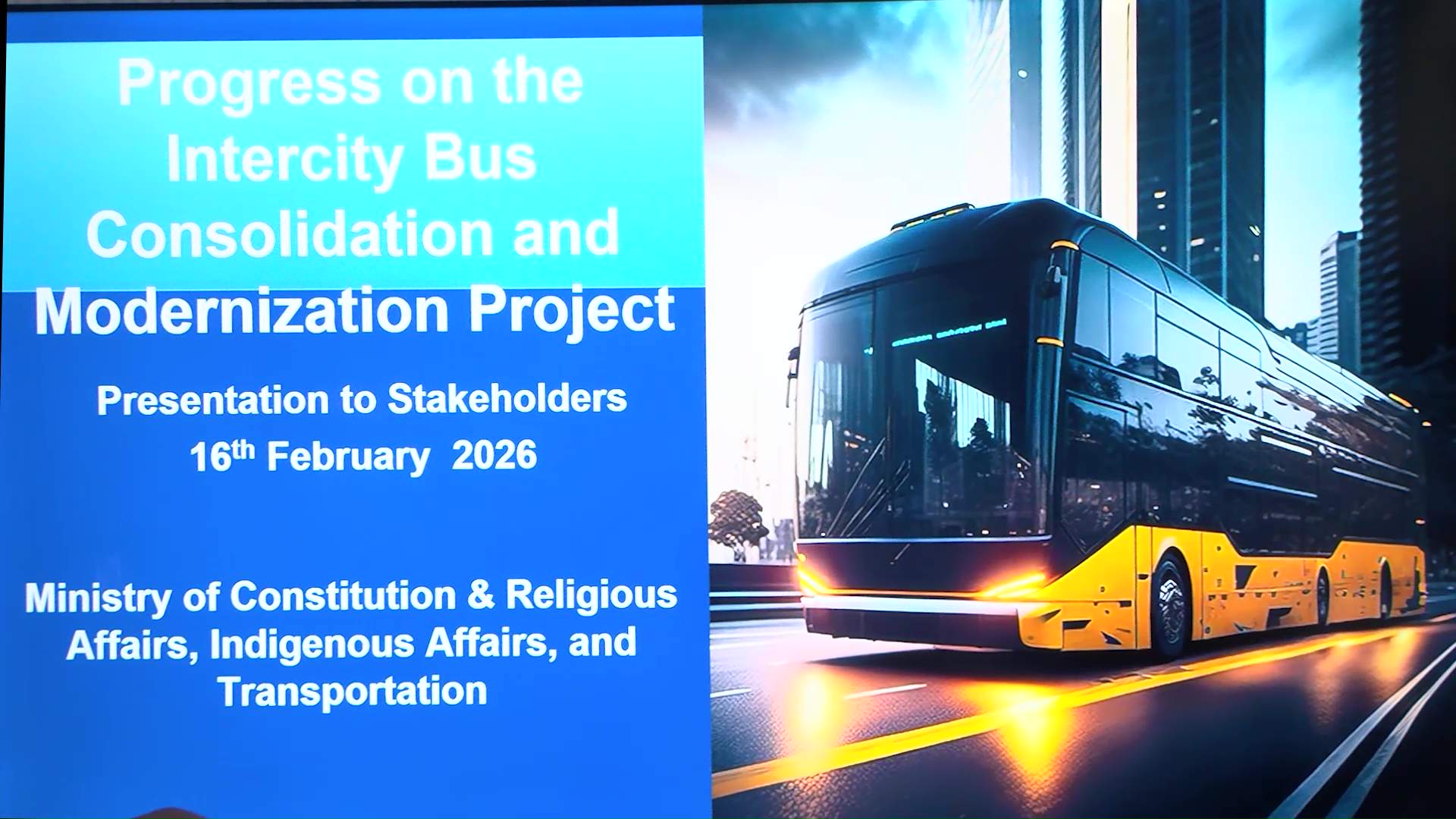
In a landmark move to transform its outdated public transit network, Belize has officially launched the National Bus Company—a comprehensive $49.7 million modernization initiative that unifies private operators, government agencies, and international partners under a single, consolidated system.
The ambitious project, announced Monday by the Ministry of Transport, represents the most significant overhaul of Belize’s transportation infrastructure in decades. For years, commuters have endured overcrowded buses, aging fleets, and safety concerns stemming from fragmented operations among 31 independent bus companies that dominated routes since the 1980s.
Transport Minister Dr. Louis Zabaneh spearheaded the consolidation effort, presenting a vision to stakeholders that addresses perennial issues including mechanical failures, dilapidated vehicles, and dangerous highway racing between competing operators. ‘The relief mentioned this morning is that we won’t have to race again like we did before,’ Zabaneh noted, highlighting how the new system will rationalize routes and eliminate competitive pressures that compromised safety.
The equity structure positions the Government of Belize with 45.76% ownership ($22.7 million in terminal assets), while 17 participating operators contribute 39.15% ($19.4 million) in shares. The remaining equity involves international partnerships.
A cornerstone of the modernization includes transitioning to electric buses starting September, with each unit costing between $325,000-$400,000. The initiative also features newly designed terminals in Belize City and Orange Walk Town that promise enhanced passenger comfort and operational efficiency.
Dr. Gilroy Middleton of the implementation committee emphasized the human impact: ‘People are tired of riding preschool buses where your feet don’t fit. We’re looking at reliability, comfort, and raising standards.’
The transformation follows extensive consultations beginning May 2025, overcoming initial skepticism through what CEO Chester Williams described as ‘building trust’ with operators who had expressed dissatisfaction with previous administration attempts.