A significant diplomatic crisis is unfolding within the Caribbean Community (CARICOM) as it prepares for its 50th Regular Meeting of Heads of Government. The 14-member bloc finds itself grappling with profound foreign policy divisions, primarily triggered by Trinidad and Tobago’s dramatic shift toward accommodating U.S. interventionist strategies in the region.
The fracture began in September 2025 when Trinidad and Tobago’s Prime Minister Kamla Persad-Bissessar announced new foreign policy principles at the UN General Assembly. This move has since evolved into what CARICOM insiders describe as a fundamental paradigm shift, creating widespread mistrust among fellow member states who question Port-of-Spain’s commitment to the bloc’s traditional multilateral diplomacy approach.
The so-called ‘Donroe Doctrine’—referencing U.S. interventionist policies—has created ripple effects across CARICOM, compelling small states to reconsider long-established positions. Nowhere is this tension more evident than in relations with Cuba, a traditional CARICOM partner that has provided decades of medical and educational support to member nations.
Recent developments reveal a pattern of changing allegiances. Guyana has formally terminated its bilateral medical cooperation agreement with Cuba, following similar moves by Antigua and Barbuda in late 2025 after mounting U.S. diplomatic pressure. While Guyanese authorities deny American influence, the timing suggests alignment with Washington’s priorities.
The situation places CARICOM nations in a difficult position. As Saint Lucia Prime Minister Philip J. Pierre revealed, the United States has pressured countries to cease educational cooperation with Cuba, despite diplomatic denials from the U.S. Embassy accredited to Barbados.
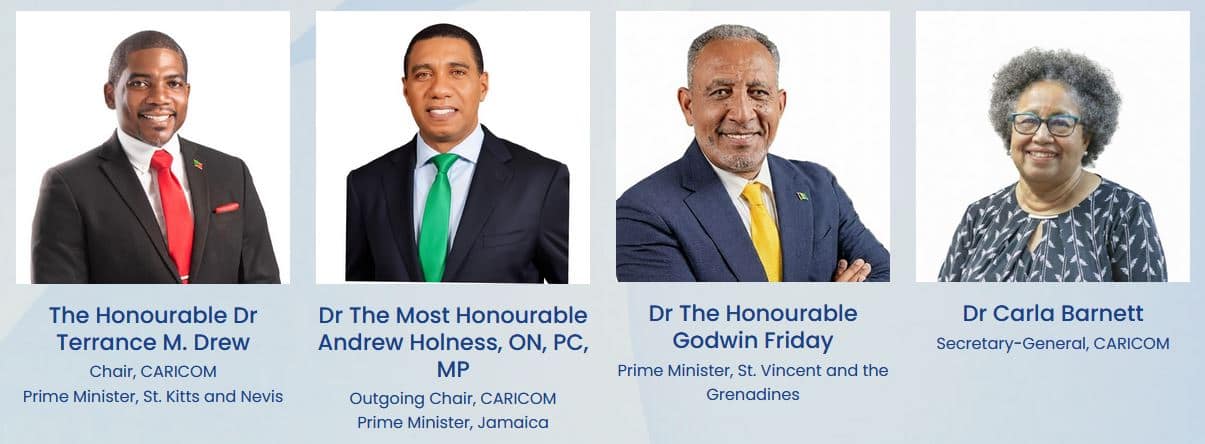
The upcoming summit (February 24-27) will serve as a critical forum for addressing these tensions. CARICOM Chair Terrance Drew has conducted shuttle diplomacy, including a recent meeting with Persad-Bissessar that reportedly yielded positive signs. However, the bloc faces urgent need for a fundamental reset of political relations amid growing geopolitical pressures.
The stakes are exceptionally high, as the outcome could determine whether CARICOM moves toward greater regional unity or continues fragmenting under external influence. All eyes will be on how Trinidad and Tobago’s delegation approaches these delicate deliberations and whether the summit can mark a genuine turning point for Caribbean foreign policy cohesion.